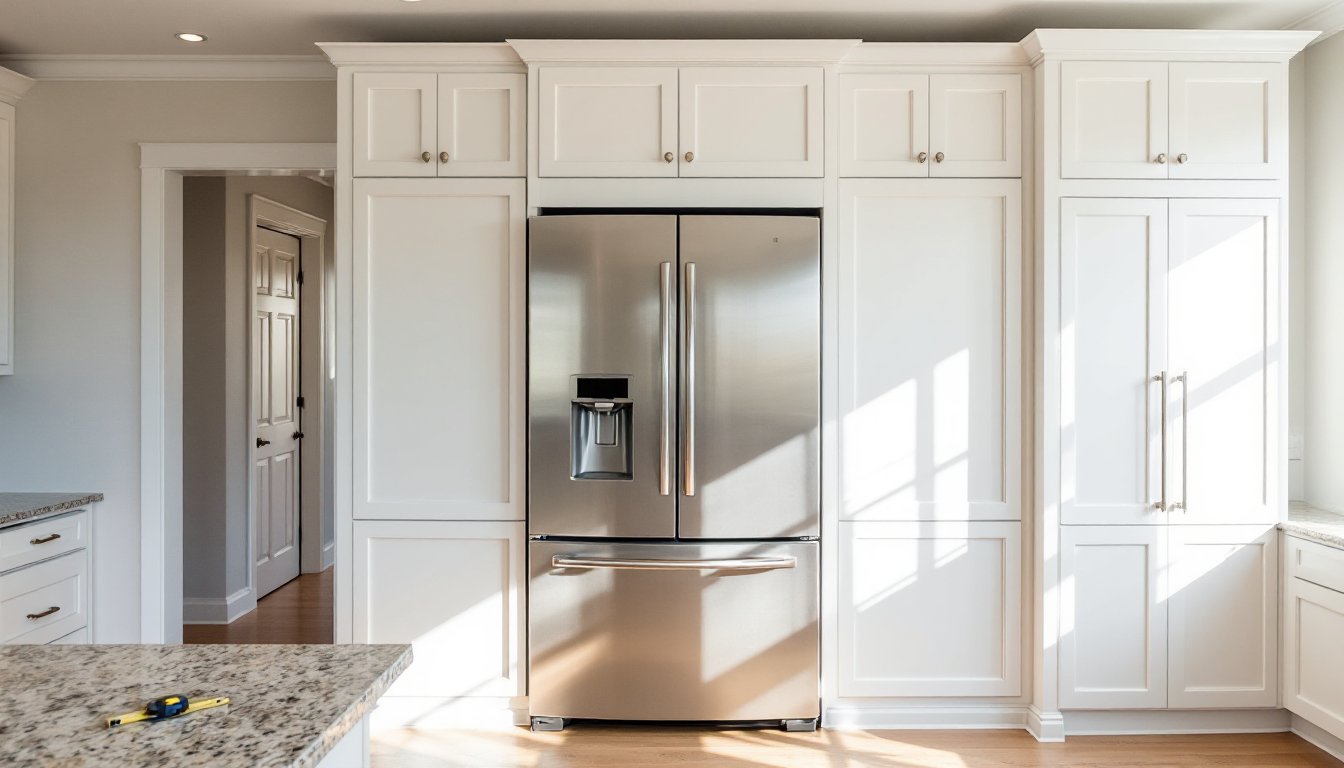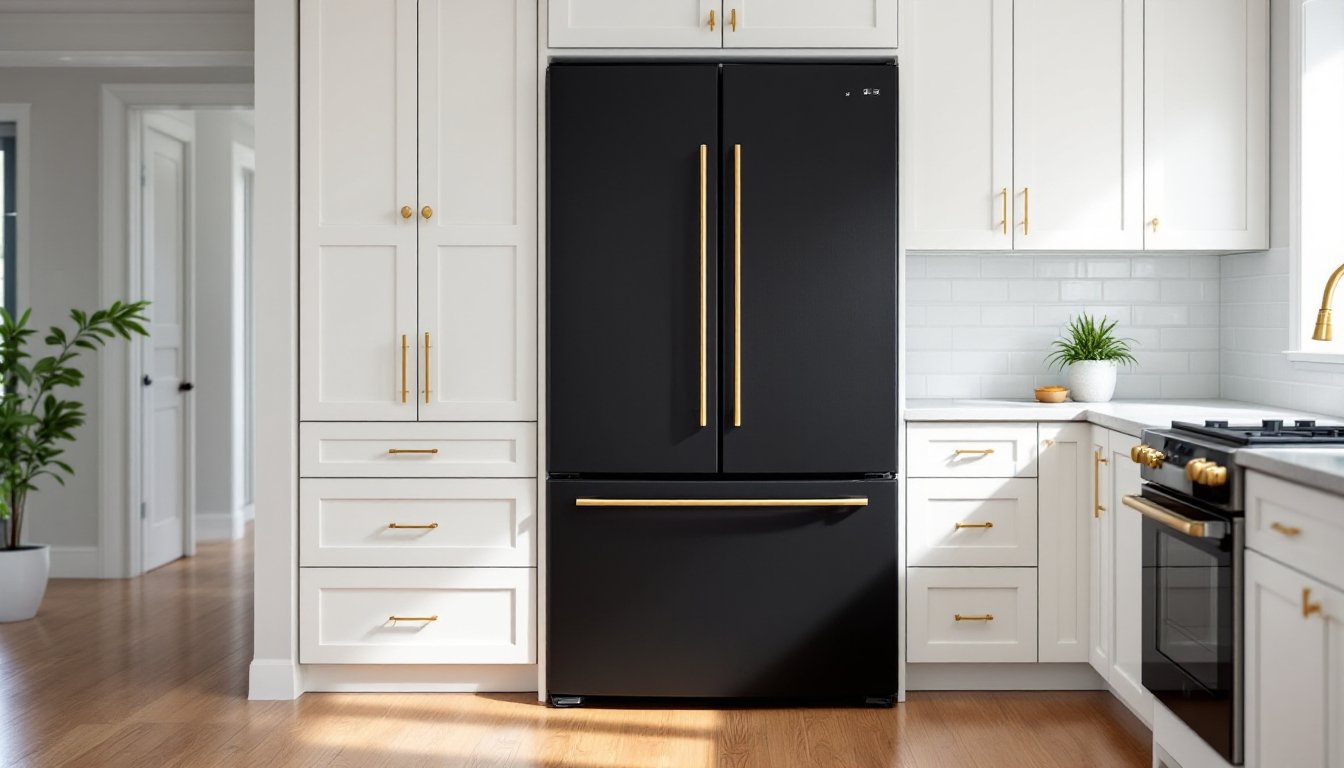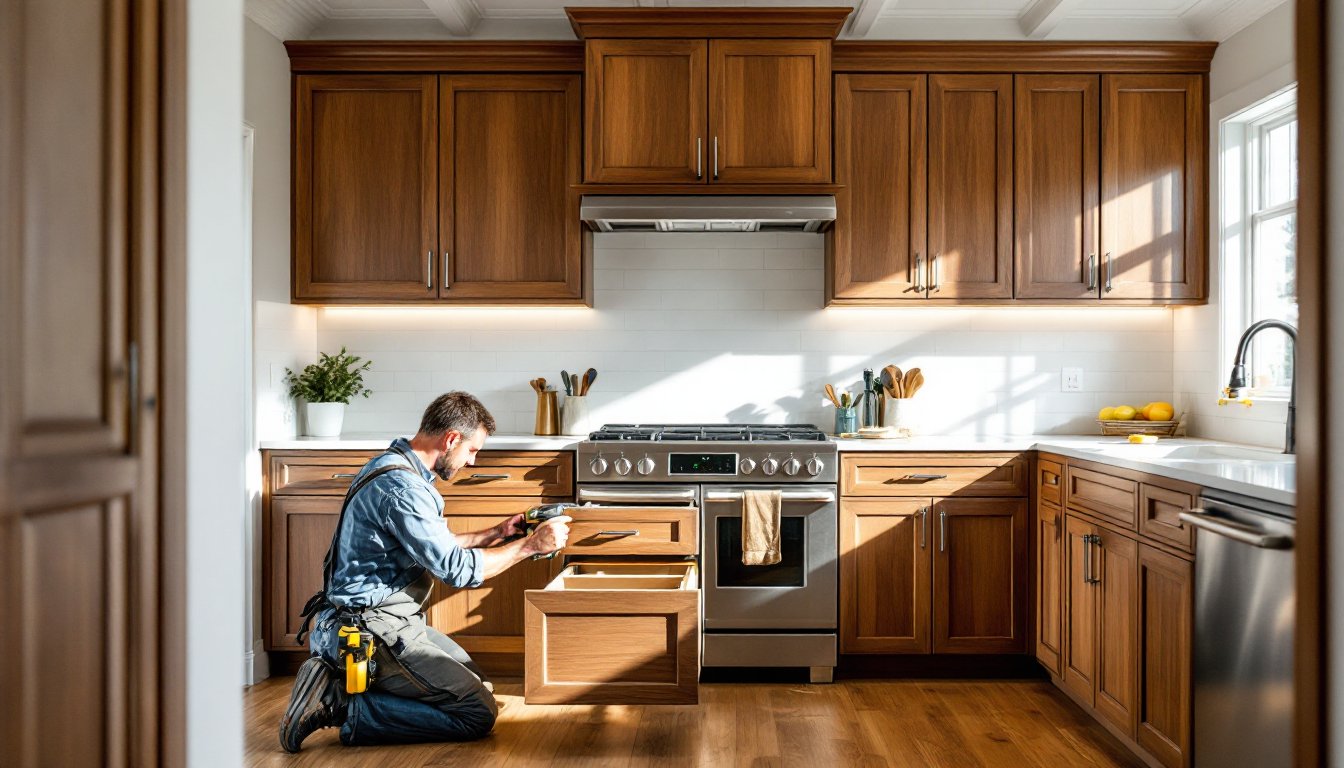
Custom kitchen cabinetry transforms a functional cooking space into a personalized asset that fits a homeowner’s exact needs, layout quirks, and style preferences. Unlike stock or semi-custom options sold in fixed dimensions, custom cabinets are built to spec, down to the quarter-inch, for a specific kitchen. They accommodate odd angles, ceiling heights, appliance dimensions, and storage priorities that off-the-shelf units can’t address. This guide walks through what makes cabinetry truly custom, how to plan and budget for a project, and whether to hire a professional or tackle portions of the work independently.
Table of Contents
ToggleKey Takeaways
- Custom kitchen cabinetry is built to exact specifications for your unique space, accommodating odd angles and unusual layouts that stock cabinets cannot, with costs ranging from $500–$1,200+ per linear foot installed.
- Unlike stock and semi-custom options, custom cabinets eliminate wasted space and offer full control over materials, joinery methods, door styles, and functional features like pull-out shelves or integrated lighting.
- Successful custom cabinet projects require precise planning, including scaled drawings, identification of storage priorities, and compliance with local building codes before ordering materials or hiring a cabinet maker.
- Professional cabinet makers offer expertise and warranty protection but cost significantly more, while experienced DIYers can save labor costs by building their own cabinets with a well-equipped shop and intermediate-to-advanced woodworking skills.
- High-quality joinery methods like dovetail or doweled drawer boxes and plywood construction (rather than particleboard) ensure your custom cabinetry investment withstands decades of daily kitchen use.
- Budget 10–15% contingency for design changes and unforeseen issues, and obtain at least three quotes comparing materials, joinery, warranty terms, and what is included in the final installation price.
What Is Custom Kitchen Cabinetry and Why Choose It?
Custom cabinetry means cabinets designed and built specifically for a homeowner’s kitchen, rather than selected from a manufacturer’s catalog. A cabinet maker takes precise measurements of the space, discusses functional requirements, and fabricates boxes, face frames, doors, and drawer fronts to match.
Key differences from stock and semi-custom:
- Stock cabinets come in standard widths (usually increments of 3 inches) and fixed heights. They ship fast and cost less but don’t fit unique layouts.
- Semi-custom cabinets offer more size and finish options within a manufacturer’s system, but still follow modular constraints.
- Custom cabinets have no dimensional limits. A cabinet maker can build a 37⅜-inch-wide base unit to fill a gap, extend uppers to the ceiling, or integrate unusual features like pull-out spice racks, appliance garages, or built-in charging stations.
Why homeowners choose custom:
- Perfect fit: No filler strips or wasted space. Cabinets span wall-to-wall and floor-to-ceiling.
- Unique materials: Specify hardwood species, plywood grade, dovetail joinery, or specialty finishes.
- Functional design: Tailor interior layouts, adjustable shelves, drawer dividers, tray slots, to how the kitchen will actually be used.
- Resale value: Quality custom work often pays back in appraisal value, especially in higher-end markets.
The trade-off is cost and lead time. Custom projects typically run two to three times the price of stock cabinets and require 8–12 weeks from design approval to installation.
Planning Your Custom Kitchen Cabinet Project
Start planning long before ordering materials. Measure the kitchen at least twice, noting ceiling height, floor level changes, window and door trim, and appliance locations. Mark stud positions, cabinets hang on studs, not drywall alone.
Essential planning steps:
- Create a scale drawing: Graph paper or CAD software works. Include all walls, doors, windows, and plumbing/electrical rough-ins.
- Establish the work triangle: Sink, range, and refrigerator should form an efficient path. Cabinets support this layout.
- Identify storage priorities: Deep drawers for pots, narrow pullouts for baking sheets, upper cabinets for glassware, know what goes where.
- Check code compliance: The International Residential Code (IRC) doesn’t regulate cabinet dimensions, but local codes may dictate clearances around ranges (typically 30 inches between cooktop and combustible surfaces).
- Plan for lighting: Under-cabinet LED strips require routing channels or clip-on profiles. Decide early so the cabinet maker can accommodate wiring.
Many cabinet makers offer building guides and configurators that help visualize layouts and generate cut lists. These tools are especially useful for DIYers who want to verify dimensions before committing to materials.
Design Considerations and Style Options
Cabinet construction falls into two categories:
- Face-frame cabinets: A 1½-inch-wide hardwood frame covers the front edges of the box. Hinges can mount to the frame or directly to the door. This is the traditional American style, offering sturdy edges and flexibility in door overlay.
- Frameless (European-style) cabinets: Doors and drawers cover the entire box front. Hinges mount inside the cabinet. Frameless construction maximizes interior access and suits modern, clean-line aesthetics.
Door styles range widely:
- Shaker: Recessed center panel with flat rails and stiles. Versatile, works in traditional or modern kitchens.
- Flat-panel (slab): Solid, unadorned door. Minimalist look, popular in contemporary designs.
- Raised-panel: Center panel stands proud of the frame. Classic, formal appearance.
- Beadboard or glass-insert: Adds texture or display options.
Finish options include paint (usually multiple coats of conversion varnish or catalyzed lacquer for durability), stain (on hardwoods like oak, maple, cherry, or walnut), or clear topcoat over natural wood grain. The finish significantly affects cost and lead time, high-gloss or hand-rubbed finishes require more labor.
Hardware placement: Decide on knobs, pulls, or touch-latch mechanisms early. Door and drawer fronts often need holes drilled during fabrication. Standard pull centers are 3 inches (76 mm) or 96 mm for wider drawers.
Materials and Hardware Selection
Material choice affects durability, appearance, and cost. Custom cabinets allow full control over every component.
Box materials:
- Plywood: Birch, maple, or cabinet-grade hardwood plywood (typically ¾-inch thick) is the gold standard. It resists warping, holds screws well, and stands up to moisture better than particleboard.
- MDF (medium-density fiberboard): Smooth surface, great for painted finishes. Heavier than plywood and less moisture-resistant, don’t use near sinks without waterproof edge banding.
- Particle board: Budget option for interiors. Less durable, but acceptable for upper cabinets in dry climates.
Door and drawer front materials:
- Solid hardwood (oak, maple, cherry, walnut)
- MDF with veneer or paint-grade finish
- Thermofoil (vinyl-wrapped MDF), affordable, moisture-resistant, limited repair options
Joinery methods signal quality:
- Dovetail or doweled drawer boxes outlast stapled or glued joints.
- Dado joints (a groove cut to receive a shelf or panel) add strength to cabinet boxes.
- Pocket screws work for face frames but aren’t considered premium joinery.
Drawer slides:
- Side-mount epoxy-coated: Budget-friendly, ¾-extension.
- Undermount soft-close: Hidden, full-extension, self-closing. Industry standard for custom work. Brands like Blum or Hettich are common in professional shops.
Hinges:
- European cup hinges (concealed): Adjustable in three directions, soft-close available. Standard for frameless cabinets.
- Butt or inset hinges: Visible, traditional look for face-frame cabinets.
Safety note: When cutting plywood or MDF, wear a dust mask or respirator. MDF dust is fine and harmful over time. Use a circular saw with a guide or a table saw for straight cuts: a miter saw handles crosscuts and trim.
Understanding Custom Cabinet Costs and Budget Planning
Custom cabinetry is an investment. Costs vary widely based on materials, finish, hardware, and regional labor rates, but homeowners should expect to budget carefully.
Typical cost range (as of 2026, U.S. averages):
- Stock cabinets: $75–$150 per linear foot installed
- Semi-custom cabinets: $150–$300 per linear foot installed
- Custom cabinets: $500–$1,200+ per linear foot installed
A 10×12-foot kitchen with 20 linear feet of cabinetry could run $10,000–$24,000+ for custom work, depending on complexity and finishes.
Cost drivers:
- Wood species: Paint-grade maple or poplar costs less than clear-grade walnut or cherry.
- Finish: Multi-step stains or glazes add labor hours.
- Hardware: Soft-close undermount slides and concealed hinges cost more than basic side-mount slides.
- Extras: Pullout shelves, lazy Susans, drawer organizers, integrated lighting, or custom range hoods all increase the total.
Budget planning tips:
- Get at least three quotes from cabinet makers. Compare materials, joinery, and warranty terms, not just price.
- Allocate 10–15% contingency for design changes or unforeseen issues (uneven floors, hidden plumbing, etc.).
- Ask if the quote includes delivery, installation, and hardware or if those are separate line items.
- Consider phasing: Install base cabinets first, live with open shelving uppers temporarily, then add uppers later if budget is tight.
Permits: Cabinet installation itself rarely requires a permit, but if the project involves moving plumbing, gas lines, or electrical outlets, permits and licensed trades are necessary. Check local building department requirements before starting.
Working with Cabinet Makers vs. DIY Options
Homeowners face a choice: hire a professional cabinet maker or build cabinets themselves. Each path has clear advantages and challenges.
Hiring a professional cabinet maker:
Pros:
- Expertise in design, joinery, and finishing
- Access to commercial-grade tools (panel saws, edge banders, spray booths)
- Warranty on workmanship and materials
- Faster turnaround on complex projects
Cons:
- Higher cost
- Less hands-on control over every detail
- Scheduling dependent on the shop’s backlog
Questions to ask a cabinet maker:
- What materials and joinery methods do you use?
- Can I see a portfolio or visit a completed project?
- What’s included in the quote, delivery, installation, hardware?
- What’s your lead time and payment schedule?
- Do you offer a warranty, and what does it cover?
DIY custom cabinets:
Building cabinets from scratch is ambitious but achievable for experienced woodworkers with a well-equipped shop. Resources like workshop setup guides and project plans provide detailed instructions and cut lists.
Required tools:
- Table saw or track saw for ripping plywood
- Miter saw for crosscuts and trim
- Drill/driver and pocket-hole jig (if using face-frame construction)
- Router for edge profiles and dado cuts
- Clamps (at least four 36-inch bar clamps)
- Sander (random-orbit for flat surfaces, detail sander for profiles)
- Spray equipment or high-quality brushes for finishing
Skill level: Intermediate to advanced. Mistakes in cutting or assembly are costly in materials and time.
Time commitment: Plan several weekends for a small kitchen, measuring, cutting, assembling, finishing, and installing all take longer than anticipated.
Hybrid approach: Some homeowners hire a cabinet maker for box construction and finishing, then install the cabinets themselves. This splits labor costs while ensuring professional-quality components.
Safety reminders: Always wear eye protection when cutting. Use hearing protection with power saws. Keep hands clear of blades and router bits. Work in a ventilated area when applying finishes: many lacquers and conversion varnishes emit VOCs.
Conclusion
Custom kitchen cabinetry offers unmatched flexibility, quality, and fit for homeowners willing to invest in a long-term upgrade. By planning thoroughly, selecting appropriate materials, and choosing the right mix of professional and DIY work, a custom cabinet project can deliver a kitchen that works exactly as intended for decades to come.