Black counter depth refrigerators have become a go-to choice for homeowners who want sleek, modern aesthetics without sacrificing functionality. These appliances sit flush with cabinetry, eliminating the awkward overhang of traditional fridges while offering a bold, contemporary finish that hides fingerprints better than stainless steel. Whether renovating a cramped galley kitchen or upgrading a spacious open-concept space, understanding what sets counter depth models apart, and why black finishes are having a moment in 2026, helps buyers make a confident, long-term investment.
Table of Contents
ToggleKey Takeaways
- A black counter depth refrigerator sits flush with kitchen cabinetry (24–25 inches deep) to create a built-in, sleek look while saving valuable floor space compared to standard-depth models that protrude 30+ inches.
- Black finishes resist fingerprints and water spots better than stainless steel, require less frequent cleaning, and pair seamlessly with multiple design styles, making them a timeless choice for modern kitchens in 2026.
- Modern counter depth units now feature dual evaporators, adjustable shelving, and smart connectivity (WiFi alerts, internal cameras) that maximize storage and functionality despite a 20–25% reduction in interior capacity.
- Accurate measurements are critical before installation—account for 1 inch of clearance on each side and above, verify the delivery path through doorways and hallways, and ensure dedicated 120V electrical outlets and 1/4-inch water lines for ice makers.
- Regular maintenance of your black counter depth refrigerator includes weekly exterior wiping with microfiber cloth, monthly gasket cleaning, vacuuming condenser coils every 6–12 months, and replacing water filters every six months to maintain efficiency and appearance.
What Is a Counter Depth Refrigerator and Why Choose Black?
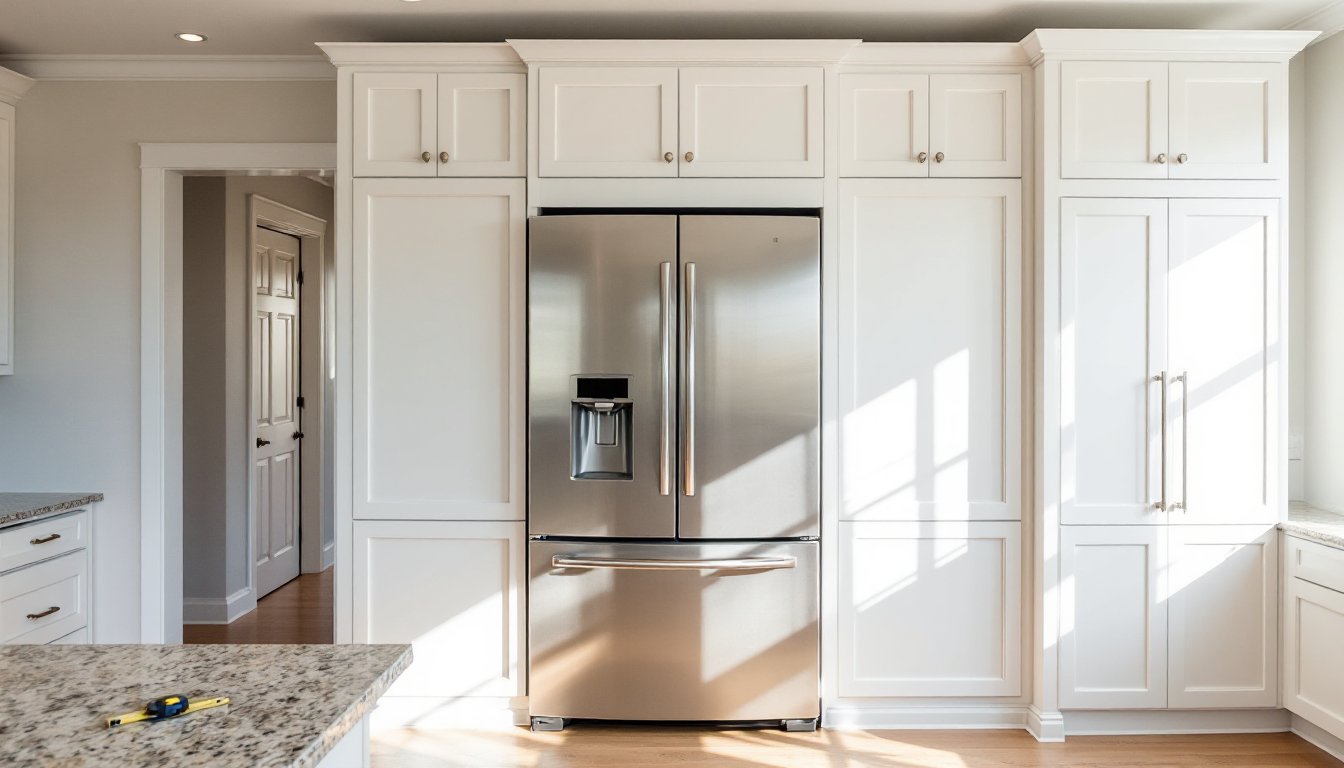
A counter depth refrigerator is designed to align with the front edge of standard kitchen counters (typically 24–25 inches deep, excluding handles), creating a built-in look without custom cabinetry. Unlike standard-depth models that protrude 30+ inches and dominate the room, counter depth units blend seamlessly into the kitchen footprint.
The trade-off? Interior capacity usually drops by 20–25% compared to standard models. A typical counter depth fridge holds 15–22 cubic feet, while standard models often exceed 25 cubic feet. For many households, the visual payoff and improved traffic flow outweigh the slightly smaller storage.
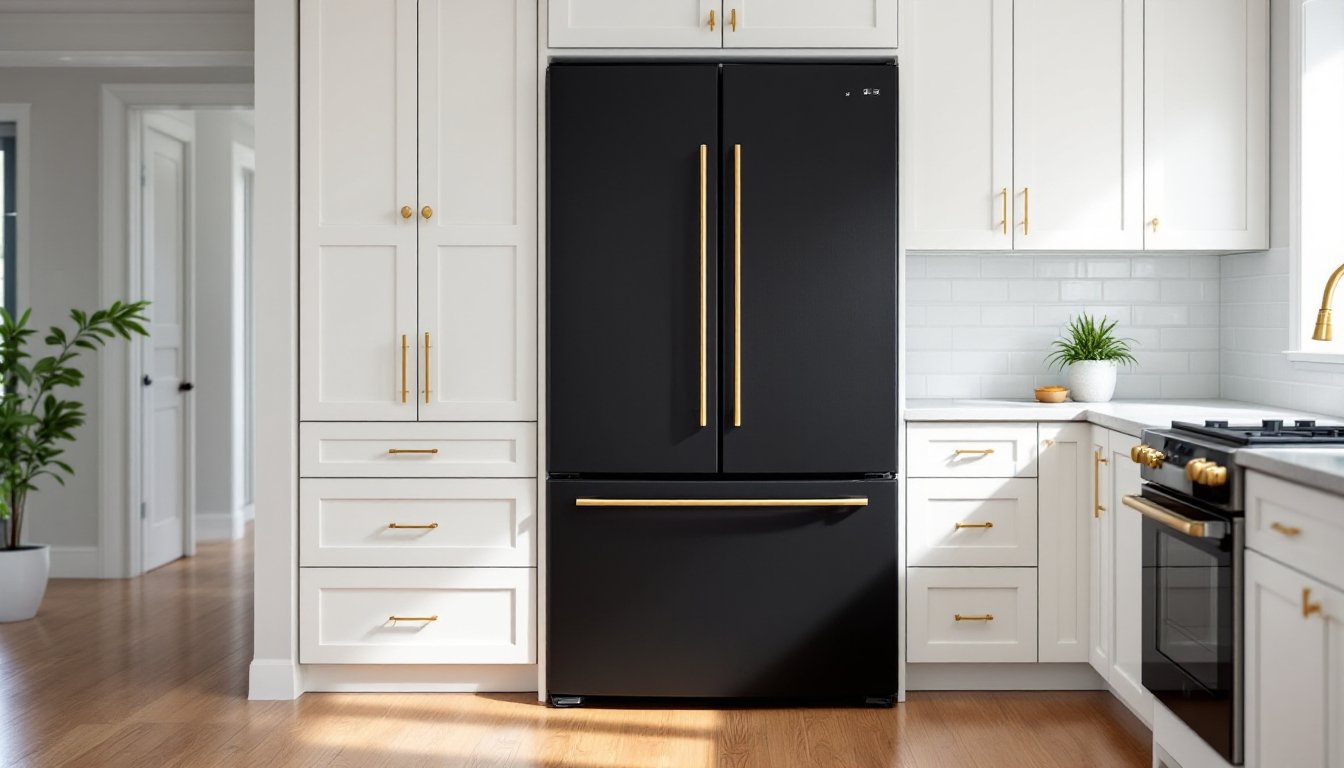
Black finishes, whether matte black stainless, black slate, or powder-coated steel, offer practical advantages beyond style. They resist fingerprints and smudges better than traditional stainless, require less frequent cleaning, and pair well with everything from white farmhouse cabinetry to walnut mid-century modern designs. In 2026, black appliances have moved past trend status and into the realm of timeless neutrals, especially as homeowners seek alternatives to the ubiquitous stainless steel.
Black also doesn’t show water spots or streaks as readily, a real-world benefit if the fridge is positioned near a prep sink or heavily trafficked work zone.
Top Benefits of Black Counter Depth Refrigerators for Modern Homes
Space-Saving Design Without Sacrificing Storage
Counter depth models free up valuable floor space in tight kitchens. That extra six inches of clearance, compared to a standard-depth fridge, can mean the difference between a cramped walkway and a comfortable work triangle. This matters most in galley kitchens, where every inch counts.
Storage efficiency has improved dramatically. Modern counter depth units use taller interior designs, adjustable shelving, door-in-door compartments, and pull-out drawers to maximize cubic footage. French door configurations with bottom freezers are especially popular, offering wide refrigerator shelves (ideal for sheet pans and pizza boxes) without the swing radius of a single full-width door.
Some 2026 models include dual evaporators, which maintain separate climates for fridge and freezer compartments. This prevents freezer burn and keeps produce crisper longer, a feature once reserved for high-end built-ins.
Timeless Aesthetic That Elevates Any Kitchen Style
Black finishes ground a kitchen design. They anchor light-colored spaces, add contrast to all-white kitchens, and harmonize with dark cabinetry without blending into invisibility. Unlike stainless steel, which can read cold or industrial, black feels warm and intentional.
Many homeowners are mixing black appliances with brass or gold hardware, creating a high-contrast, jewelry-like effect. Others pair black fridges with natural wood tones and stone countertops for an organic, Scandinavian-inspired look. The versatility is the point, black doesn’t box you into a single design narrative.
Counter depth proportions enhance the effect. Because the fridge doesn’t jut out, cabinet lines remain clean and continuous. This creates a custom, high-end appearance without the five-figure price tag of true built-in refrigeration.
Key Features to Look for When Shopping in 2026
Start with capacity and configuration. French door models dominate the counter depth market, but side-by-side and bottom-freezer styles are viable if your kitchen layout or household needs favor them. Measure interior cubic footage against your household size and shopping habits, if you batch-cook or buy in bulk, prioritize adjustable shelving and deep door bins.
Energy efficiency matters more in 2026. Look for ENERGY STAR certification, which typically means 10–15% lower energy use than the federal minimum. Modern inverter compressors adjust cooling output based on demand, reducing runtime and noise. Some models now integrate smart sensors that learn usage patterns and optimize defrost cycles accordingly.
Smart connectivity is standard on mid-tier and premium models. Wi-Fi-enabled fridges can alert you to open doors, temperature fluctuations, or filter changes via smartphone app. Advanced tech features like internal cameras (so you can check contents from the grocery store) and voice-assistant integration are increasingly common, though not essential for everyone.
Finish durability varies. Black stainless steel resists fingerprints via a special coating but can scratch if cleaned with abrasive pads. Black slate (a textured, matte finish) is even more forgiving and hides minor dings. Powder-coated black steel is the most affordable but may show wear at high-contact points like handles.
Check door swing clearance. Counter depth doesn’t mean counter width, some models are 36 inches wide, but many stretch to 42 inches. In tight spaces, verify that doors can open fully (typically 90 degrees minimum) without hitting adjacent walls or islands. Measure the swing radius with painter’s tape on the floor before committing.
Finally, compare ice/water dispenser options. External dispensers are convenient but eat into interior space. Internal dispensers free up door real estate for taller bottles, though they require opening the fridge for every glass of water. Many 2026 models now offer dual ice makers (one in the fridge, one in the freezer) for households that entertain frequently.
How to Measure and Plan for Your Counter Depth Installation
Accurate measurement prevents expensive mistakes. Start by measuring the height, width, and depth of the space where the fridge will sit. Standard counter depth is 24–25 inches from the wall to the cabinet front, but measure your actual counters, custom or older cabinetry may vary.
Add clearance. Most manufacturers recommend:
- 1 inch on each side for ventilation and door swing
- 1 inch above for air circulation (critical for top-mounted compressors)
- 1 inch behind the back wall for power cord and water line routing
This means a fridge marketed as 36 inches wide actually needs a 38-inch opening. Measure the opening at multiple heights, walls aren’t always plumb.
Doorway and hallway access is often overlooked. Measure the delivery path, including:
- Entry door width (remove the door if needed)
- Hallway width at the narrowest point
- Any 90-degree turns (will the fridge pivot through?)
- Stairways (if applicable)
Most counter depth fridges ship with doors and handles unattached for easier maneuvering. Professional delivery crews can usually navigate tight spaces, but warn them ahead of time.
Verify electrical and plumbing. Fridges require a dedicated 120V outlet (per NEC guidelines) ideally positioned behind the unit or in an adjacent cabinet with an access hole. If your old fridge was hardwired or the outlet is in the wrong spot, hire a licensed electrician, this isn’t a DIY move unless you’re comfortable working in a live breaker panel.
For models with ice makers or water dispensers, you’ll need a 1/4-inch water line. Copper and braided stainless are most reliable: avoid plastic tubing, which can crack. The shut-off valve should be accessible without moving the fridge. If you’re adding a water line where none existed, consult a plumber or check local codes, some jurisdictions require permits for new water connections.
Flooring considerations: If you’re installing the fridge before replacing flooring, account for height differences. Transitioning from tile (3/8 inch thick) to hardwood (3/4 inch) can throw off clearance. Adjustable legs on most fridges allow for ±1 inch of leveling, but significant height differences may require shimming or cutting cabinet kickboards.
Maintenance Tips to Keep Your Black Refrigerator Looking Pristine
Black finishes hide some messes but highlight others, dust, lint, and water spots show up fast. Preventive maintenance keeps the appliance looking showroom-ready.
Daily cleaning: Wipe down the exterior with a microfiber cloth dampened with water. For stubborn smudges, use a few drops of dish soap. Avoid abrasive sponges or scouring pads, which can scratch protective coatings. Many kitchen design experts recommend keeping a dedicated microfiber cloth near the fridge for quick touch-ups.
Weekly deep clean: Use a cleaner formulated for your finish type. Black stainless benefits from stainless steel cleaners (applied in the direction of the grain, if any). Matte black slate responds well to diluted all-purpose cleaners. Always test in an inconspicuous spot first.
Don’t forget the gaskets (door seals). Crumbs and spills accumulate in the folds, reducing efficiency and allowing warm air infiltration. Wipe gaskets monthly with warm, soapy water and a soft brush. If gaskets tear or lose elasticity, replace them, this is a $30–$60 DIY fix that can save hundreds in wasted energy.
Coil cleaning is critical for longevity. Condenser coils (usually beneath or behind the fridge) collect dust, forcing the compressor to work harder. Vacuum coils every 6–12 months using a brush attachment or coil-cleaning brush (available at hardware stores for under $10). Unplug the fridge first or turn off the circuit breaker. Top-rated models often feature easier coil access, but even budget units benefit from this simple task.
Interior maintenance: Remove expired food weekly. Spills left too long can etch shelves and cause odors. Glass shelves can usually be removed and washed in the sink with dish soap. For persistent smells, place an open box of baking soda in the back of the fridge, replace every three months.
Filter replacement: If your model has a water filter, replace it every six months or per the manufacturer’s schedule. Clogged filters reduce water pressure and can harbor bacteria. Some 2026 models include filter change indicators: if yours doesn’t, set a phone reminder.
Temperature calibration: Use an appliance thermometer to verify internal temps. The fridge should stay between 35–38°F, and the freezer at 0°F. Adjust the thermostat if readings drift, compressor efficiency declines over time, and recalibration can prevent premature failure.
Finally, protect the finish from damage. Avoid placing magnets directly on black stainless or slate, they can scratch or leave residue. Use magnetic clips with felt backing if you need to hang kids’ artwork or shopping lists.