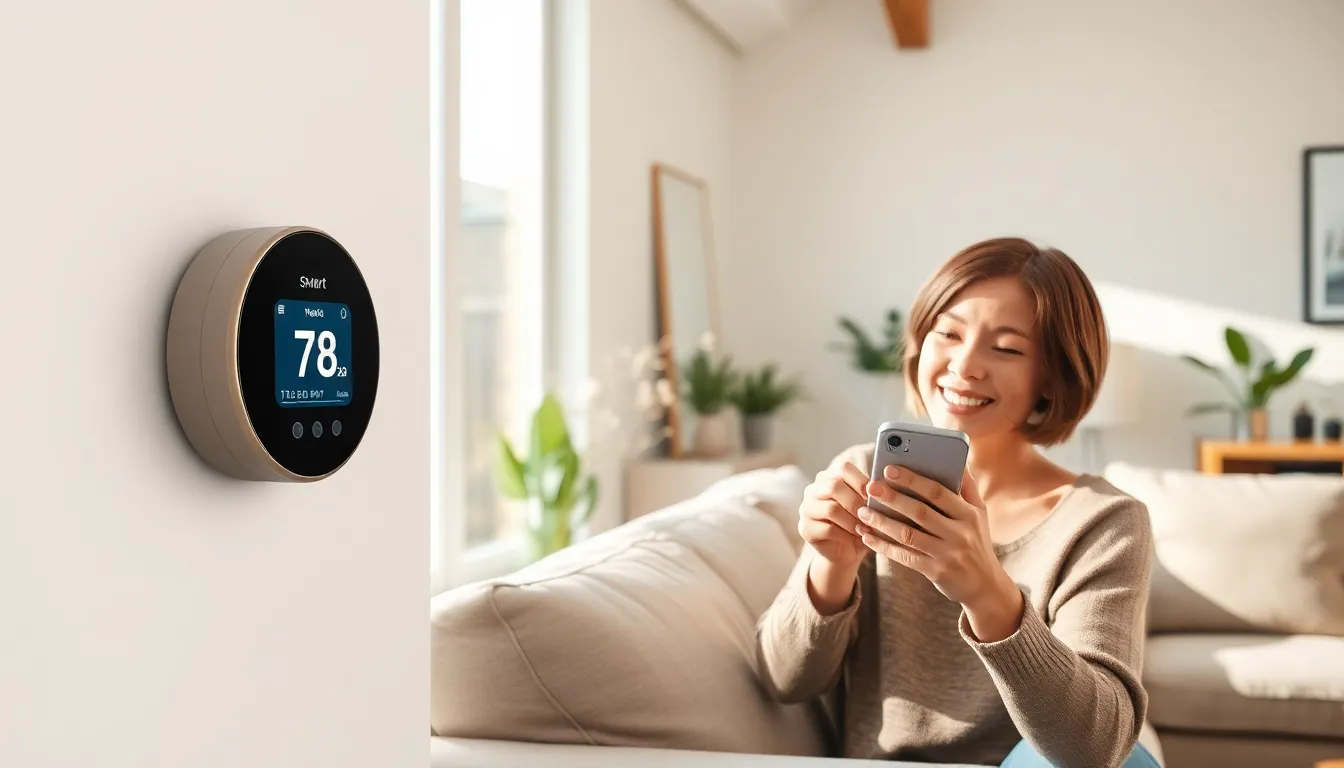
In today’s fast-paced world, home comfort technology is transforming the way people experience their living spaces. From smart thermostats that learn preferences to advanced air purification systems, these innovations are designed to create a cozy and healthy environment. As homeowners seek to enhance their quality of life, the integration of technology into comfort solutions has never been more essential.
The rise of smart home devices not only offers convenience but also promotes energy efficiency and well-being. With the ability to control lighting, temperature, and air quality from a smartphone, individuals can tailor their home experience to suit their needs. Embracing home comfort technology is more than a trend; it’s a lifestyle choice that prioritizes comfort and sustainability in everyday living.
Overview of Home Comfort Technology
Home comfort technology encompasses systems and devices designed to enhance convenience, air quality, and overall comfort within living spaces. This technology plays a crucial role in modern homes by promoting healthier environments and improving energy efficiency.
Definition and Importance
Home comfort technology refers to various tools and systems that improve comfort levels in residential settings. This includes smart thermostats, air purifiers, and smart lighting. The importance lies in creating a healthier living environment, reducing energy consumption, and increasing convenience. Homeowners benefit from personalized settings, leading to enhanced well-being and productivity.
Different Types of Home Comfort Technology
Home comfort technology includes a variety of systems and devices:
- Smart Thermostats: These devices adjust heating and cooling based on occupancy and preferences, optimizing energy use.
- Air Purification Systems: Advanced purifiers reduce pollutants, allergens, and pathogens, enhancing indoor air quality.
- Smart Lighting Solutions: Automated lighting adjusts brightness and colors according to time of day or activity, contributing to mood enhancement.
- Humidity Control Devices: These systems regulate moisture levels, preventing mold growth and ensuring comfort.
- Smart Plugs and Outlets: These allow homeowners to control appliances remotely, enhancing convenience and efficiency.
Integrating these technologies creates a cohesive system that supports a comfortable and healthy living space.
Benefits of Home Comfort Technology
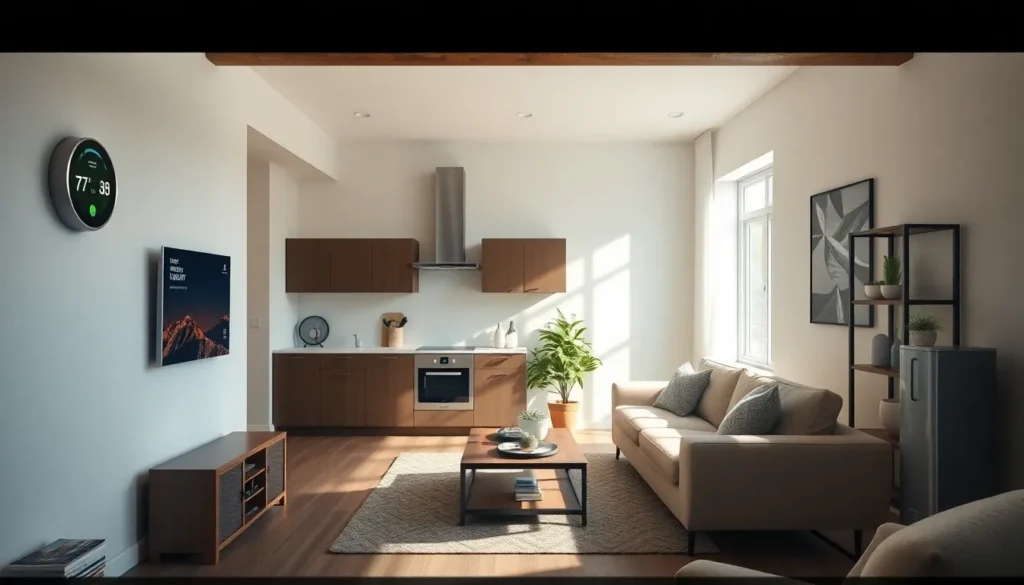
Home comfort technology significantly enhances living environments by providing various advantages that promote comfort, health, and efficiency.
Improved Energy Efficiency
Home comfort technology optimizes energy consumption, leading to substantial savings. Smart thermostats, for instance, adjust heating and cooling based on occupancy and preferences, reducing energy waste by up to 30%. Energy-efficient appliances leverage smart plugs, allowing homeowners to turn off devices remotely. These technologies not only lower utility bills but also contribute to a reduced carbon footprint.
Enhanced Indoor Air Quality
Indoor air quality improves with advanced air purification systems that filter out allergens and pollutants. HEPA filters capture 99.97% of particles, including dust and pet dander. Smart ventilation systems maintain appropriate humidity levels, preventing mold and mildew growth. By integrating these technologies, households benefit from healthier air, which can enhance respiratory health and overall well-being.
Popular Home Comfort Technology Solutions
Home comfort technology includes various solutions designed to enhance living environments and promote well-being. Key solutions contribute to energy efficiency, air quality, and overall convenience.
Smart Thermostats
Smart thermostats optimize heating and cooling by adjusting settings based on occupancy and user preferences. These devices can reduce energy waste by up to 30%. Connected to smartphone apps, they allow remote control and scheduling for improved convenience. Popular models include the Nest Learning Thermostat and Ecobee SmartThermostat, which learn user habits to maximize comfort.
Air Purifiers
Air purifiers enhance indoor air quality by removing allergens and pollutants. Advanced models equipped with HEPA filters capture 99.97% of microscopic particles, including dust, pollen, and pet dander. Some air purifiers also feature activated carbon filters to eliminate odors. The Coway AP-1512HH and Dyson Pure Cool are examples of effective air purification solutions, promoting healthier respiratory environments.
Smart Humidifiers
Smart humidifiers maintain optimal indoor humidity levels between 30-50%, preventing mold growth and dry skin. Many smart models can be controlled via smartphone apps, allowing users to set specific humidity levels and schedules. The Levoit Classic 200 and the Pure Enrichment MistAire are popular options known for their effectiveness and ease of use. These devices enhance comfort by creating a balanced indoor atmosphere.
Considerations When Choosing Home Comfort Technology
Selecting home comfort technology requires careful evaluation of various factors, ensuring the chosen solutions align with specific needs and financial considerations.
Evaluating Personal Needs
Assessing personal needs involves identifying key priorities such as air quality, heating, cooling, and lighting preferences. Individuals should determine if specific issues exist, like asthma or allergies, which may necessitate advanced air purification systems. Comfort preferences, including temperature control and humidity levels, also dictate technology selection. Smart home integration matters; devices should work seamlessly with existing systems and be user-friendly for optimal convenience. Researching features and compatibility can prevent future dissatisfaction and enhance the overall experience.
Budget and Cost-effectiveness
Establishing a budget for home comfort technology ensures choices remain financially viable. Assess initial purchase costs alongside potential long-term savings from energy-efficient solutions. Many smart thermostats can significantly reduce energy bills, offering substantial returns on investment. Choosing products with high energy ratings can also lead to lower operating costs. Consider potential rebates or tax incentives for eco-friendly technology, which can further ease financial impacts. By evaluating both upfront and ongoing expenses, homeowners can make informed decisions without compromising comfort or quality.
Future Trends in Home Comfort Technology
Home comfort technology continues to evolve rapidly, with innovative solutions on the horizon that promise to enhance living spaces even further. Advances focus on smart home integration and environmental sustainability, shaping how homes manage comfort and energy use.
Innovations on the Horizon
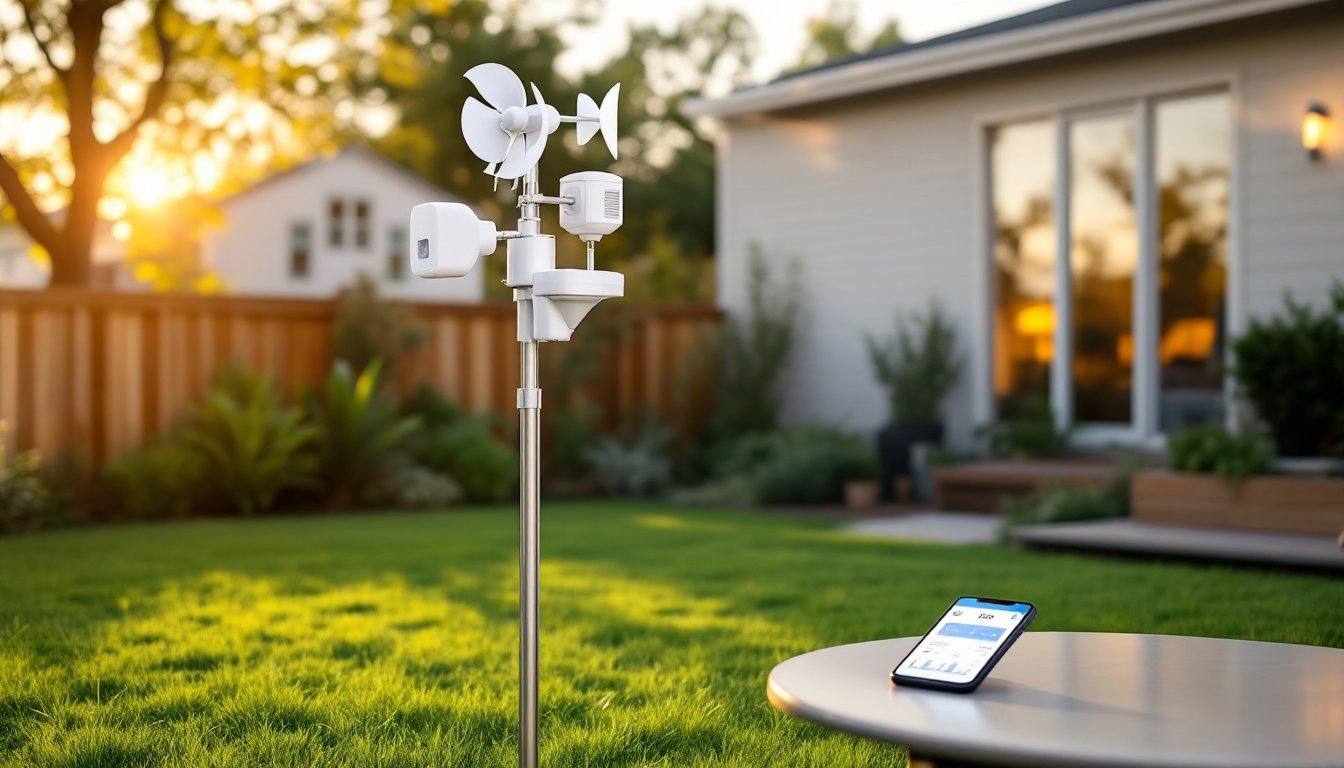
Smart sensors and AI-driven systems are emerging as critical components in home comfort technology. Smart sensors can monitor various environmental factors, including temperature, humidity, and air quality, providing real-time data to optimize indoor conditions. AI algorithms enable devices to learn user preferences, applying predictive analytics to enhance comfort automatically.
Adaptive climate control systems will also gain popularity. These systems adjust heating and cooling in real-time based on occupancy and external weather conditions. Enhanced connectivity through improved Wi-Fi and mesh networks will allow for seamless interaction between devices, ensuring a more cohesive smart home experience. Furthermore, new developments in building materials, such as phase-changing materials and energy-efficient windows, promise to improve insulation and help maintain optimal indoor conditions.
The Role of Sustainability
Sustainable home comfort technology is increasingly essential as homeowners prioritize eco-friendliness. Energy-efficient appliances are designed to minimize energy consumption while maximizing performance. For example, heat pumps now offer significantly improved efficiency compared to traditional heating systems, reducing energy use by as much as 50%.
Renewable energy solutions, such as solar panels, integrate with smart energy management systems, enabling homeowners to harness solar energy. These solutions can decrease reliance on grid energy, enhancing comfort while reducing carbon footprints. Furthermore, water-saving devices, such as smart irrigation systems, promote efficient water usage without compromising home gardens or indoor plants.
The integration of sustainable practices into home comfort technology not only optimizes comfort but also significantly contributes to a healthier planet.
Home comfort technology is reshaping how individuals experience their living spaces. By prioritizing convenience and sustainability, these innovations not only enhance comfort but also promote healthier environments. As technology continues to evolve, homeowners have the opportunity to create personalized settings that cater to their unique needs.
The integration of smart devices brings a new level of control over air quality, temperature, and energy use. This shift towards smarter homes signifies a commitment to improved well-being and efficiency. Embracing these advancements is more than just a trend; it’s a lifestyle choice that supports both personal comfort and environmental responsibility.