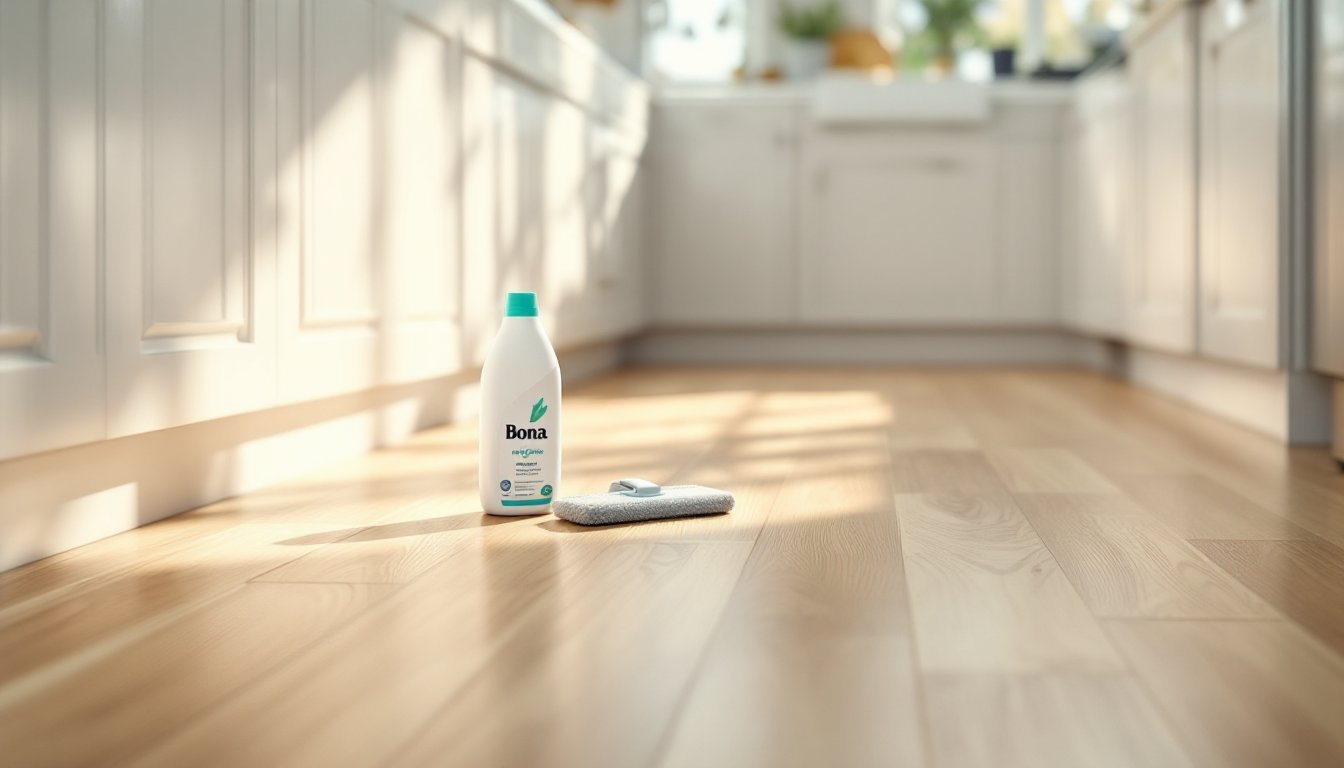
Walking into a room with streaky, dull floors is like wearing a wrinkled shirt to an interview, you notice it immediately. Homeowners with laminate, tile, or stone floors know the struggle: you want something that cleans without leaving residue, doesn’t require a PhD in chemistry, and won’t void your flooring warranty. Enter Bona Stone Tile & Laminate Floor Cleaner, a pH-balanced, ready-to-use formula that’s become a staple in homes across the country. But does it actually live up to the hype, or is it just another overpriced squeeze bottle? This guide breaks down what makes Bona different, how to use it properly, and whether it’s worth the investment for your specific floors.
Table of Contents
ToggleKey Takeaways
- Bona Stone Tile & Laminate Floor Cleaner uses a pH-neutral, water-based formula that lifts dirt without leaving residue or damaging protective sealants on sealed hard surfaces.
- The cleaner is safe for laminate, ceramic, porcelain tile, natural stone, luxury vinyl, and sealed concrete—but should never be used on unsealed or waxed floors.
- Proper technique requires light spraying (3-4 sprays per 4×4-foot section), a microfiber mop pad, and always vacuuming first to avoid spreading grit across your floors.
- At $8–$10 for 32 ounces, Bona costs more than DIY solutions, but Greenguard Gold certification and manufacturer approval make it warranty-friendly and safer for homes with kids and pets.
- Common mistakes include over-spraying (which causes streaks and moisture damage to laminate), using dirty mop pads, and expecting disinfection—Bona cleans but doesn’t kill bacteria or viruses.
What Makes Bona Stone Tile & Laminate Floor Cleaner Different?
Bona’s formula stands apart because it’s pH-neutral and specifically engineered for sealed hard surfaces. Unlike all-purpose cleaners that rely on harsh alkalines or acidic vinegar, Bona won’t strip protective sealants or leave behind dulling residue.
The cleaner contains water-based surfactants that lift dirt without requiring a rinse. That’s crucial for laminate floors, which can buckle if exposed to standing water. The formula dries in about 2-3 minutes, leaving no sticky film that attracts dust.
Bona is also Greenguard Gold Certified, meaning it meets strict chemical emissions standards. If you’ve got kids crawling on the floor or pets licking their paws, that certification matters. The product contains no dyes, no harsh solvents, and qualifies for LEED credit in new construction, a detail contractors appreciate.
One practical advantage: the ready-to-use spray format. No measuring, no mixing, no math. Grab it, spray it, mop it. For homeowners juggling a dozen tasks, that convenience isn’t trivial.
The 32-ounce trigger spray covers roughly 350–400 square feet, depending on how much you spray. The gallon refill is more economical for larger homes, running about $15–$20 depending on the retailer.
Which Floor Types Can You Safely Clean with Bona?
Bona Stone Tile & Laminate Floor Cleaner works on a wide range of sealed hard surfaces. Here’s the breakdown:
Compatible Surfaces:
- Laminate flooring (all brands, including water-sensitive cores)
- Ceramic and porcelain tile (glazed or unglazed)
- Natural stone (granite, marble, slate, travertine, sealed only)
- Luxury vinyl plank (LVP) and luxury vinyl tile (LVT)
- Sealed concrete and terrazzo
Do NOT Use On:
- Unsealed or waxed floors (the surfactants will strip wax and penetrate porous stone)
- Oiled wood floors (Bona makes a separate hardwood cleaner for that)
- Unglazed saltillo tile or unsealed terracotta
How do you know if your stone is sealed? Drop a bead of water on it. If it soaks in within 10 minutes, it’s unsealed and needs a sealer before cleaning. Sealed stone will bead up.
Laminate is the sweet spot for this product. Many laminate floor cleaning methods emphasize minimal moisture, and Bona’s fast-drying formula aligns perfectly with that requirement. Just don’t drench the floor, laminate’s MDF core swells if water seeps into seams.
How to Use Bona Stone Tile & Laminate Floor Cleaner (Step-by-Step)
Using Bona isn’t complicated, but skipping prep work or over-wetting the floor will sabotage your results.
Tools You’ll Need:
- Bona Stone Tile & Laminate Floor Cleaner (spray or refill)
- Microfiber mop (Bona’s mop works well, but any microfiber flat mop will do)
- Vacuum or dust mop
- Clean microfiber pad (or two, for larger areas)
Step-by-Step Process:
-
Sweep or vacuum first. Grit acts like sandpaper on laminate and tile. Remove loose dirt, pet hair, and debris. A shop vac or stick vacuum with a hard floor setting works great.
-
Attach a clean, dry microfiber pad to your mop. Dirty or damp pads will just smear grime around.
-
Spray Bona directly onto the floor in a light, even pattern, about 3-4 sprays per 4×4-foot section. You’re not power-washing: you want a fine mist, not puddles.
-
Mop immediately in overlapping S-shaped strokes. The microfiber lifts dirt and absorbs moisture as you go. Don’t press hard: let the pad do the work.
-
Flip or replace the pad when it gets visibly dirty. A grimy pad just redistributes soil.
-
Let the floor air-dry. It’ll be touch-dry in 2-3 minutes. Open a window or run a fan if you’re in a hurry.
Pro Tip: For textured tile or grouted surfaces, spray a bit more into grout lines and let it sit for 30 seconds before mopping. The surfactants need time to break down embedded dirt.
Pros and Cons: Is Bona Worth It for Your Home?
Like any product, Bona has strengths and limitations. Here’s the honest assessment:
Pros:
- No residue. Unlike many cleaners, Bona doesn’t leave a sticky film that attracts dirt or dulls the finish.
- Fast-drying. Critical for laminate and engineered floors that can’t tolerate standing water.
- Safe for kids and pets. Greenguard Gold certification and no harsh fumes make it a solid choice for homes with toddlers or animals.
- Warranty-friendly. Many flooring manufacturers (Pergo, Quick-Step, Armstrong) list Bona as an approved cleaner, so you won’t void your warranty.
- Ready to use. No diluting, no guesswork. Just spray and mop.
Cons:
- Price. At roughly $8–$10 for 32 ounces, it’s more expensive than DIY solutions or generic cleaners. The gallon refill eases the sting, but upfront cost is higher.
- Not a disinfectant. Bona cleans dirt and grime but doesn’t kill bacteria or viruses. If you need sanitization (think post-raw-chicken-spill), you’ll need a separate disinfectant rated for your floor type.
- Limited stain removal. Stubborn scuffs, grout stains, or dried adhesive may require a dedicated spot treatment or gentle scrubbing with a soft brush.
- Requires microfiber. Traditional string mops or sponge mops hold too much water and don’t work well with this cleaner. You’ll need to invest in a microfiber flat mop if you don’t already own one.
Bottom Line: If you have laminate or tile throughout your home and want a reliable, low-effort cleaner that won’t damage your floors, Bona is worth the investment. If you’re on a tight budget or only clean occasionally, a DIY solution might suffice.
Common Mistakes to Avoid When Using Bona Floor Cleaner
Even straightforward products can fail if misused. Here are the mistakes homeowners make most often:
1. Over-spraying. More isn’t better. Excessive spray leaves streaks and increases drying time. Laminate especially can swell if moisture lingers in seams. Use a light mist, about 3-4 sprays per 15 square feet.
2. Skipping the vacuum. Mopping over loose dirt just spreads it around. Always sweep, vacuum, or dust mop first. This is non-negotiable for grit-prone areas like entryways and kitchens.
3. Using a dirty mop pad. A soiled pad can’t absorb fresh dirt or moisture. Flip it halfway through the job or swap it out entirely. Wash pads in hot water with mild detergent, no fabric softener, which coats fibers and reduces absorbency.
4. Ignoring grout. Tile floors look clean until you notice dingy grout lines. Spray a little extra Bona on grout and let it dwell for 30–60 seconds. For deep cleaning, a soft-bristle brush (like a grout brush or old toothbrush) helps lift embedded grime without scratching tile.
5. Expecting disinfection. Bona removes dirt but doesn’t kill germs. If you need to disinfect (say, after a pet accident), use a diluted bleach solution or a flooring-safe disinfectant first, rinse thoroughly, then follow up with Bona for a streak-free finish.
6. Using on unsealed surfaces. Unsealed stone or waxed floors will absorb the cleaner, leading to stains or finish damage. Always confirm your floor is sealed before using Bona.
Bona vs. DIY Cleaners: Which Delivers Better Results?
Plenty of homeowners swear by homemade floor cleaners. The most common recipe: a few drops of dish soap in warm water, or a vinegar-and-water mix. How does that stack up against Bona?
DIY Dish Soap Solution:
- Pros: Cheap, readily available, cuts grease.
- Cons: Easy to over-suds, which leaves sticky residue. Requires careful measuring (too much soap = streaks). Not pH-neutral, so it can dull finishes over time.
DIY Vinegar Solution:
- Pros: Disinfects, removes mineral deposits.
- Cons: Acidic, so it can etch natural stone and degrade laminate sealants with repeated use. Many flooring manufacturers explicitly warn against vinegar. It also smells like a pickle jar.
Bona Stone Tile & Laminate Cleaner:
- Pros: pH-balanced, no mixing, no residue, warranty-approved.
- Cons: Costs more per use.
Real-World Test: On a 200-square-foot laminate kitchen, Bona left zero streaks and dried in under three minutes. A DIY dish soap mix (1 tablespoon Dawn in a gallon of water) cleaned effectively but left faint streaks near the baseboards and took longer to dry. Vinegar cleaned well but left a lingering odor and slight haze on high-gloss laminate.
For quick maintenance cleaning, Bona wins on convenience and finish quality. For deep cleaning or budget-conscious households, a well-measured dish soap solution (emphasis on well-measured) can work, but test in an inconspicuous spot first.
For additional cleaning strategies and product comparisons, many homeowners find value in consulting trusted home care resources that evaluate products and methods across different surface types.
Conclusion
Bona Stone Tile & Laminate Floor Cleaner isn’t magic, but it’s one of the most reliable, user-friendly options for sealed hard-surface floors. It delivers on its promise: no residue, fast drying, and safe for most laminate, tile, and stone. The cost is higher than DIY alternatives, but the time saved and the peace of mind, especially about flooring warranties, make it a solid investment for homeowners who clean regularly. Pair it with a quality microfiber mop, resist the urge to over-spray, and your floors will look sharp with minimal effort.