Steam mops have changed the game for homeowners who want sanitized floors without hauling around a bucket of chemical-laden water. Black and Decker’s lineup delivers solid performance at a price point that won’t make you rethink your entire cleaning budget. Whether you’re tackling sticky kitchen spills or refreshing tile grout, these machines use superheated steam to lift dirt and kill bacteria, no rinsing required. This guide walks through everything from setup and operation to troubleshooting the most common hiccups, so you can get the most out of your investment and keep your floors looking sharp.
Table of Contents
ToggleKey Takeaways
- Black and Decker steam mops heat water to 212°F in 15–30 seconds and eliminate up to 99.9% of household bacteria without harsh chemicals, making them a safe and effective cleaning solution.
- A Black and Decker steam mop typically costs $50–$100 with reusable microfiber pads that reduce recurring costs and waste, while replacement parts are widely available at retailers and online.
- Proper setup—using distilled water, waiting for the ready indicator, and working in slow, overlapping sections—ensures streak-free results and maximizes cleaning effectiveness.
- Steam mops work best on sealed hardwood, ceramic tile, porcelain, and vinyl, but should be avoided on unsealed hardwood, cork, bamboo, and unglazed tile to prevent damage.
- Regular maintenance, including emptying the tank after each use, washing pads without fabric softener, and monthly descaling with vinegar, extends the mop’s lifespan and prevents mineral buildup.
- Common issues like weak steam, leaking water, and streaks are easily fixed through simple troubleshooting steps like refilling with distilled water, swapping clean pads, or descaling the unit.
Why Choose a Black and Decker Steam Mop for Your Home
Black and Decker built its reputation on tools that work hard without draining your wallet, and their steam mops follow the same philosophy. These units heat water to around 212°F within 15–30 seconds, producing steam hot enough to dissolve grime and eliminate up to 99.9% of common household bacteria, no harsh chemicals needed.
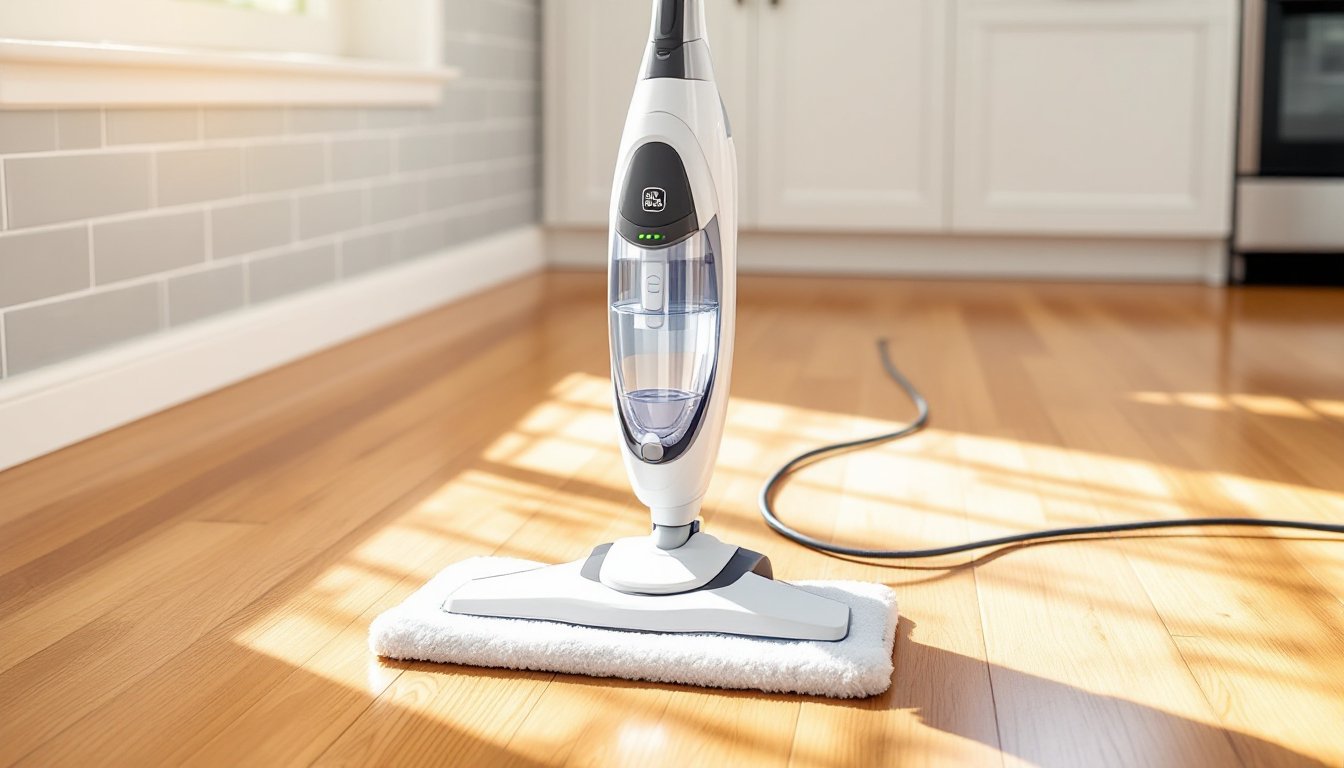
The brand’s entry-level models typically weigh between 5 and 7 pounds when filled, making them easy to maneuver around furniture legs and into corners. Swivel heads (usually 180 degrees) let you pivot quickly without wrestling the handle. For households with pets, kids, or anyone sensitive to cleaning agents, steam mopping offers a safer alternative to traditional mopping solutions.
Another practical advantage: reusable microfiber pads. Most Black and Decker steam mops ship with two to three washable pads, cutting down on recurring costs. You’ll spend less on disposable refills and generate less waste. When properly maintained, a single pad can survive dozens of wash cycles before needing replacement.
Price-wise, expect to pay between $50 and $100 for a new Black and Decker steam mop, depending on the model and retailer. That’s competitive with other mid-range brands, and replacement parts, pads, water filters, are widely available online and at big-box home stores.
Key Features That Set Black and Decker Steam Mops Apart
Black and Decker steam mops share a few core design elements that make them straightforward to use, even if you’ve never owned a steam cleaner before.
Quick Heat-Up Technology: Most models reach operating temperature in under 30 seconds. Fill the tank, plug it in, wait for the indicator light, and you’re ready to go. No long warm-up period.
Variable Steam Control: Mid-tier models include a steam-adjustment dial or trigger. Low settings work for light dust on hardwood: high settings tackle stuck-on messes on tile or vinyl. Being able to dial back the steam prevents over-wetting on delicate floors.
Detachable Handheld Unit: Some Black and Decker models convert into a handheld steamer. Pop off the mop head, attach a nozzle or brush accessory, and you can steam-clean countertops, stovetops, or bathroom fixtures. It’s a bonus feature that adds versatility without requiring a separate appliance.
Swivel Steering and Low-Profile Head: The triangular or rectangular mop head sits low enough to slide under cabinets and appliances. Swivel steering, typically 180 degrees, lets you change direction without lifting the unit or straining your wrist.
Cord Length: Expect a 20- to 25-foot power cord. That’s enough to cover a standard room without constantly switching outlets, though you’ll still need to unplug and move for larger open-plan spaces.
Water Tank Capacity: Tanks hold between 12 and 16 ounces of water. At full steam, that translates to roughly 15–20 minutes of continuous cleaning. For whole-house jobs, you’ll refill at least once.
How to Use Your Black and Decker Steam Mop Effectively
Getting great results comes down to prep work and technique. Skipping steps leads to streaky floors and frustration.
Prep Your Floors
- Sweep or vacuum first. Steam mops aren’t designed to pick up loose dirt, pet hair, or crumbs. If you skip this step, you’ll just smear debris around. Use a broom or stick vacuum to clear the surface.
- Check for sticky spots. If you see dried spills or sticky patches, scrape them gently with a plastic putty knife. Steam softens residue, but it works faster when the bulk is already gone.
- Remove loose rugs and obstacles. Clear the floor so you can work in smooth, continuous passes.
Fill and Preheat
- Use distilled or filtered water. Tap water contains minerals that build up inside the heating element over time, shortening the mop’s lifespan. Distilled water costs pennies per gallon and prevents scale.
- Fill to the max line. Overfilling can cause spitting or leaking: underfilling means you’ll run dry mid-job.
- Plug in and wait for the ready indicator. Most models have a light that changes color or stays solid when the unit is hot. Don’t start mopping before the light signals, it won’t produce enough steam.
Mop in Sections
- Work backward toward an exit. Start at the far corner of the room and mop toward the door. This keeps you from walking on freshly steamed floors.
- Move slowly. Let the steam do the work. A slow, steady pass (about one second per foot) gives the heat time to break down grime. Rushing leaves streaks.
- Overlap your strokes slightly. This ensures even coverage and avoids missed strips.
- Flip or change the pad when it gets saturated. A soaked pad smears dirt instead of lifting it. If you’re cleaning a large area, swap pads halfway through.
Safety Gear
Wear closed-toe shoes. Steam can splatter, and the mop head reaches 200°F+. Protect your feet. If you’re using the handheld attachment for vertical surfaces, wear heat-resistant gloves to avoid burns from escaping steam.
Best Practices for Maintenance and Care
Regular upkeep keeps your Black and Decker steam mop running smoothly and extends its working life.
After Every Use
- Empty the water tank completely. Standing water promotes mineral buildup and mold. Turn the mop upside down over a sink and let it drain.
- Remove and wash the microfiber pad. Toss it in the washing machine with your towels. Skip fabric softener, it clogs the fibers and reduces absorbency. Air-dry or tumble on low heat.
- Wipe down the mop head and handle. Use a damp cloth to remove any dust or residue. Let the unit cool before storing.
Monthly Deep Clean
- Descale the heating element. Fill the tank with a 50/50 mix of distilled water and white vinegar. Run the mop over an old towel for a few minutes to flush out mineral deposits. Rinse the tank thoroughly afterward.
- Inspect the power cord and plug. Look for fraying, cracks, or exposed wires. If you spot damage, stop using the unit and contact Black and Decker for a replacement cord or repair options.
Storage Tips
- Store upright in a dry location. Avoid damp basements or garages where moisture can corrode internal components.
- Keep extra pads on hand. Having a backup set means you won’t be caught mid-project with a dirty pad and no replacement.
Homeowners who follow home organization tips often designate a utility closet shelf for cleaning tools, making it easy to grab the steam mop and go.
What Floor Types Work Best with Steam Mopping
Steam mops are versatile, but they’re not compatible with every flooring material. Using steam on the wrong surface can cause warping, discoloration, or void your flooring warranty.
Safe for Steam
- Sealed hardwood: If your hardwood has a factory urethane or polyurethane finish, steam mopping is generally safe. Keep the steam setting on low and move quickly to avoid prolonged moisture exposure.
- Ceramic and porcelain tile: These surfaces handle high heat without issue. Steam is especially effective at lifting dirt from grout lines.
- Luxury vinyl plank (LVP) and sheet vinyl: Check your manufacturer’s guidelines first, but most modern vinyl products tolerate steam. Avoid lingering in one spot.
- Laminate (with caution): Some laminate manufacturers approve steam cleaning: others don’t. High-quality, water-resistant laminate can usually handle it on a low setting. When in doubt, test a small, hidden area first.
Avoid Steam On
- Unsealed or waxed hardwood: Steam penetrates gaps between boards and can lift the wax finish, leaving dull spots or causing boards to swell.
- Cork or bamboo: These materials are more porous and moisture-sensitive. Stick to damp mopping.
- Unglazed tile: Without a protective glaze, tile absorbs moisture and can stain or crack under heat.
Many cleaning experts recommend confirming your flooring type and finish before introducing steam. If you’re unsure, contact the flooring manufacturer or installer.
Common Issues and Troubleshooting Tips
Even well-made tools hit snags. Here’s how to fix the most frequent Black and Decker steam mop problems.
No Steam or Weak Steam
- Cause: Empty tank, clogged nozzle, or mineral buildup.
- Fix: Refill with distilled water. Descale the unit using the vinegar method described earlier. Check the steam vents on the mop head for debris: clean with a toothpick if needed.
Leaking Water
- Cause: Overfilled tank, damaged seal, or incorrect assembly.
- Fix: Empty and refill to the max line. Inspect the water tank cap and gasket for cracks. Make sure the tank clicks securely into place.
Mop Leaves Streaks
- Cause: Dirty pad, too much steam, or residue on the floor.
- Fix: Swap in a clean pad. Lower the steam setting. Pre-clean sticky spots with a damp cloth before steaming.
Unit Won’t Power On
- Cause: Faulty outlet, tripped breaker, or internal electrical issue.
- Fix: Test the outlet with another device. Check your home’s circuit breaker. If the mop still won’t turn on, contact Black and Decker customer service.
Pad Won’t Stay Attached
- Cause: Worn Velcro or incorrect pad alignment.
- Fix: Press the pad firmly onto the mop head, ensuring all Velcro edges make contact. If the Velcro is worn out, order replacement pads with fresh fasteners.
For additional cleaning hacks and troubleshooting advice, many homeowners turn to trusted home improvement resources that cover a wide range of appliance maintenance topics.
Conclusion
A Black and Decker steam mop offers a practical, budget-friendly way to keep hard floors clean without mixing buckets of soapy water or exposing your household to harsh chemicals. By using distilled water, maintaining the unit regularly, and matching the steam setting to your floor type, you’ll get years of reliable performance. Troubleshooting is straightforward, and replacement parts are easy to find. Whether you’re refreshing tile grout or giving sealed hardwood a quick refresh, steam mopping delivers consistent results, and that’s what matters when you’re juggling a busy home.