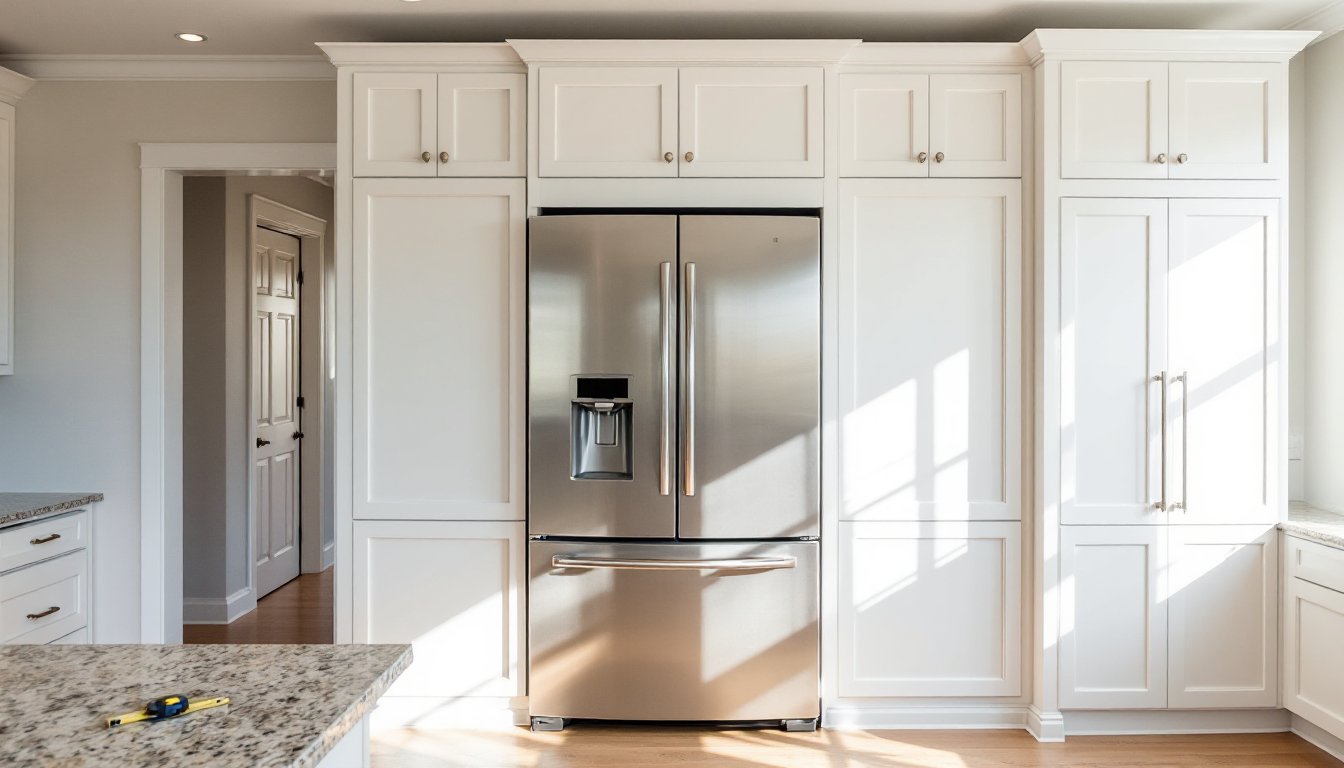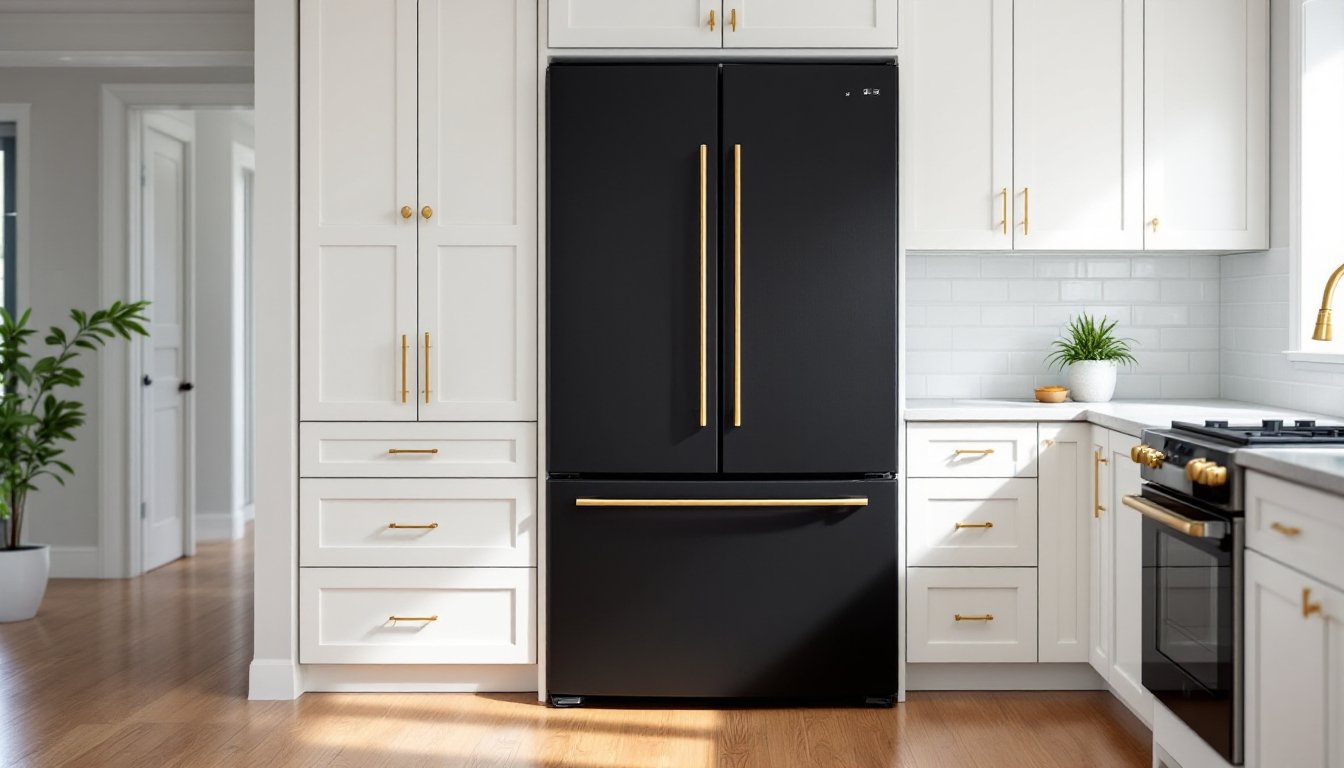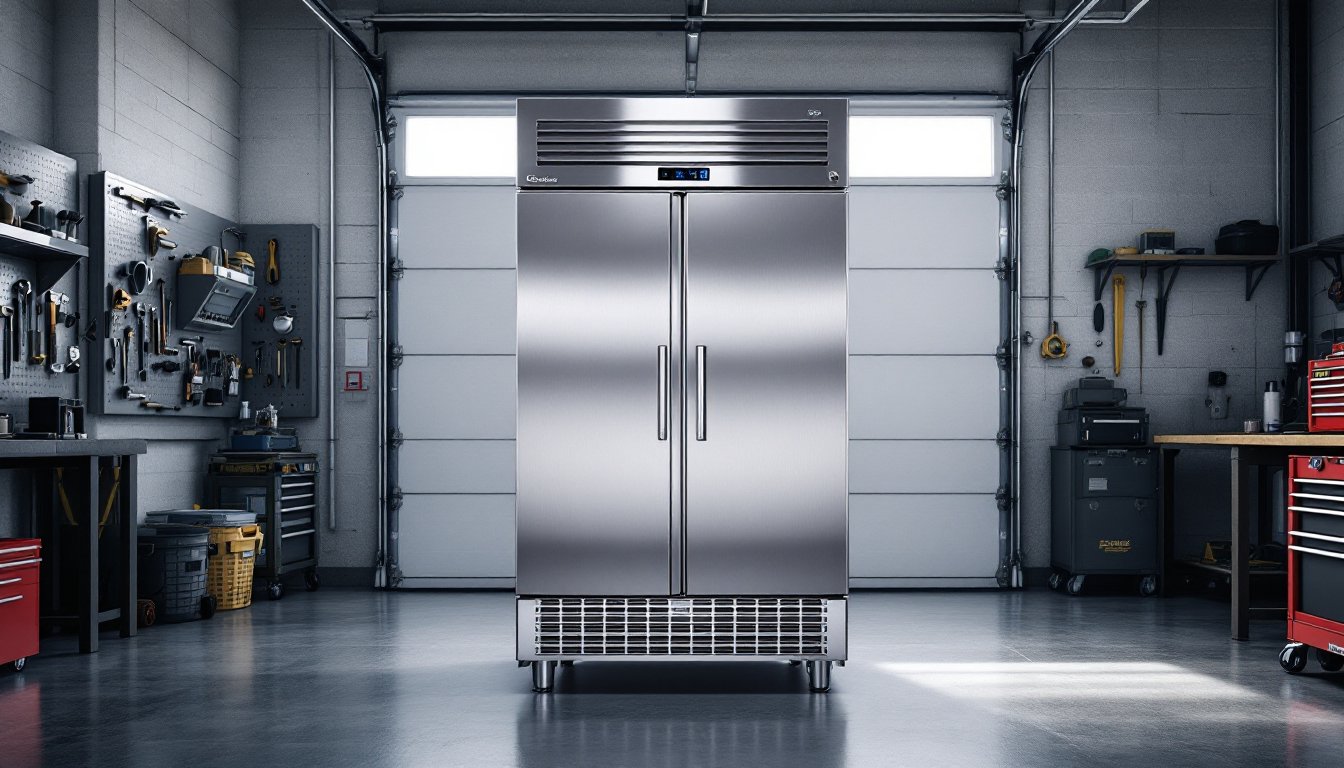
When most homeowners think about upgrading their kitchen cooling, they’re looking at the same consumer-grade brands lining big-box appliance showrooms. But there’s another tier worth considering: commercial refrigeration units built for restaurant and institutional use. Delfield refrigerators, manufactured by Welbilt (now part of the Ali Group), have earned a reputation in professional kitchens for decades, and more homeowners are discovering their advantages for residential use. Whether you’re planning a serious home kitchen remodel, outfitting a detached garage workshop, or just need rock-solid refrigeration that won’t quit, understanding what sets Delfield apart can help you make a smarter buying decision.
Table of Contents
ToggleKey Takeaways
- Delfield refrigerators are commercial-grade units engineered for 24/7 operation with heavy-gauge stainless steel construction, tighter temperature control (±2°F), and industrial-grade components that last 15-20 years with proper maintenance.
- These commercial refrigerators maintain superior temperature stability and fast recovery times compared to residential models, making them ideal for serious home cooks, bulk buyers, and homeowners who entertain frequently.
- Installation requires attention to proper leveling, electrical requirements (some models need 208-230V), and ventilation clearance, but routine maintenance like cleaning condenser coils and checking door gaskets can be handled by DIYers.
- A Delfield refrigerator typically costs $2,000–$4,000 new or $600–$1,500 used from equipment auctions, with energy consumption of 3-8 kWh daily, making total cost of ownership competitive when factoring in longer lifespan versus consumer models.
- Delfield units feature adjustable wire shelving rated for 100-150 lbs per shelf, digital temperature controllers with external readouts, and accessible components for easier serviceability than standard residential refrigerators.
- Careful space planning is essential since Delfield refrigerators are deeper (32-36 inches) than home models, and they operate with noticeable compressor hum similar to a window AC unit.
What Makes Delfield Refrigerators Stand Out from Standard Models
Delfield units aren’t designed for the typical homeowner who replaces appliances every 8-10 years. These are commercial-grade refrigerators engineered for 24/7 operation in demanding environments, think busy restaurant kitchens where a compressor failure means lost inventory and revenue.
The most obvious difference is construction quality. Delfield refrigerators use heavy-gauge stainless steel exteriors and interiors, not the painted or plastic-lined cabinets common in residential models. Stainless is easier to sanitize, resists corrosion from spills and humidity, and holds up to repeated door impacts. Door hinges are industrial-grade, often self-closing with adjustable tension, a feature that prevents energy loss from doors left ajar.
Another standout: temperature stability. Commercial refrigerators maintain tighter temperature ranges (typically ±2°F) compared to residential units, which can fluctuate ±5°F or more. This matters for food safety and preservation, especially if you’re storing bulk ingredients, aging cheeses, or keeping beverages at precise serving temps.
Delfield models also prioritize serviceability. Components like condensers, evaporator coils, and thermostats are accessible from the front or sides without moving the entire unit. For a DIYer comfortable with appliance repair, this design makes routine maintenance, and even some parts replacement, much more straightforward than consumer models where you’re digging through panels and disconnecting water lines.
Finally, expect louder operation. Commercial compressors and fans are built for cooling power, not whisper-quiet operation. If you’re installing a Delfield in an open-concept kitchen, plan for background hum similar to a window AC unit running on low. In a detached garage, basement bar, or utility space, noise is rarely an issue.
Key Features and Benefits of Delfield Refrigeration Units
Delfield’s lineup includes reach-in refrigerators, under-counter units, prep tables, and specialty models like pizza prep stations. For home use, the most relevant are reach-in models (single, double, or triple-door configurations) and under-counter refrigerators that fit beneath standard 36-inch countertops.
Capacity and shelving are configured differently than residential fridges. Instead of crisper drawers and door bins, you’ll find adjustable wire or solid stainless shelving rated for heavy loads, typically 100-150 lbs per shelf. This layout maximizes usable cubic footage and makes cleaning straightforward. Shelves slide out on some models, helpful if you’re storing large stockpots or sheet pans.
Door options vary: solid doors for general refrigeration, glass doors for bar or display use, and half-doors on some prep tables. Solid doors offer better insulation and energy efficiency: glass doors let you see inventory at a glance but require more compressor runtime to compensate for radiant heat gain.
Many Delfield units include digital temperature controllers with external readouts, which is a huge upgrade over analog dials. You can monitor internal temps without opening the door, and some models log temperature data, useful if you’re serious about food safety or aging products.
Temperature Control and Energy Efficiency
Temperature ranges on Delfield refrigerators typically run from 33°F to 38°F, ideal for perishable storage. Freezer models go down to -10°F or lower. Unlike residential fridges with combo fridge-freezer layouts, commercial units are dedicated to one temperature zone, which improves efficiency and performance.
Energy efficiency is a mixed bag. Delfield’s newer models feature ENERGY STAR certification and high-efficiency compressors, but older or used units may draw more power than modern residential refrigerators. Check the kilowatt-hour (kWh) rating before buying, commercial units can range from 3-8 kWh per day depending on size and insulation. For comparison, a typical home fridge uses 1.5-2.5 kWh daily.
That said, efficiency isn’t just about electricity. Delfield’s robust construction means fewer breakdowns and longer service life, often 15-20 years with proper maintenance versus 10-12 for consumer models. When you factor in replacement costs and downtime, the total cost of ownership can be competitive, especially if you’re buying a quality used unit.
One feature home users appreciate: fast recovery time. After you load in warm groceries or open the door repeatedly, Delfield compressors bring temps back to setpoint quickly. For homeowners who entertain, stock bulk purchases, or brew beer and ferment foods, that performance edge matters.
Choosing the Right Delfield Refrigerator for Your Home
Buying a commercial refrigerator for home use isn’t like ordering a fridge off a showroom floor. You’ll likely be sourcing from restaurant equipment dealers, used equipment auctions, or specialty appliance suppliers. Here’s how to narrow your options.
Step 1: Measure your space, twice. Commercial units are deeper than residential models. A standard reach-in is often 32-36 inches deep (compared to 28-30 inches for home fridges), so confirm you have adequate clearance for door swing and airflow. Leave at least 3 inches of clearance on all ventilated sides for condenser airflow. Most Delfield units vent from the bottom front or sides.
Step 2: Match capacity to actual needs. A single-door reach-in offers roughly 23-27 cubic feet: double-doors provide 45-50 cubic feet. Don’t overbuy. Running a half-empty commercial fridge wastes energy and takes up valuable floor space. If you’re replacing a 20 cubic-foot home fridge, a single-door Delfield is usually plenty.
Step 3: Choose the right door config. Solid doors are the default for energy efficiency. Glass doors make sense for a home bar, beverage fridge, or if you want to display craft beer collections without opening the door constantly. Half-doors on prep tables are great for garage workshops where you need quick access to drinks or snacks while working.
Step 4: Confirm electrical requirements. Most Delfield refrigerators run on 115V/60Hz (standard household outlet), but larger models may require 208-230V. Check the data plate before buying. If you need a dedicated 20-amp circuit, hire a licensed electrician, this isn’t a plug-and-play situation if you’re upgrading from a standard outlet.
Step 5: Consider used vs. new. New Delfield units start around $2,000-$4,000 depending on size and features. Quality used units from restaurant auctions or equipment liquidators can run $600-$1,500. Inspect used models for compressor condition, door seal integrity, and rust or dents. Avoid units with aftermarket repairs or missing data plates, you won’t know the age or service history.
Many trusted appliance reviewers emphasize the importance of verifying warranty and parts availability. Delfield is well-supported through commercial parts suppliers, but confirm your model isn’t discontinued or orphaned before committing.
Installation and Maintenance Tips for Longevity
Installing a Delfield isn’t drastically different from a residential fridge, but there are a few extra considerations.
Leveling is critical. Use a torpedo level and adjust the front legs until the unit tilts slightly backward (about 1/4 inch over 36 inches of depth). This ensures doors self-close and condensate drains properly. Most models have adjustable front legs: rear casters can be locked once positioned.
Ventilation matters. Don’t box in a Delfield with cabinetry unless you’re certain airflow isn’t restricted. Condensers need to exhaust heat: blocking vents causes the compressor to work harder and shortens its lifespan. If you’re building a custom surround, leave vented panels or gaps for airflow.
Electrical setup: If your model requires 208-230V, you’ll need a dedicated circuit and possibly a new breaker. This is permit-required work in most jurisdictions, hire a licensed electrician familiar with commercial appliances. Even for 115V models, confirm your outlet is on a 20-amp circuit and not shared with other high-draw appliances.
For ongoing maintenance:
- Clean condenser coils every 3-6 months. Dust and grease buildup reduces efficiency and causes overheating. Use a coil brush and shop vacuum. On front-vented models, you can access coils by removing the front grille, no need to pull the unit out.
- Check door gaskets quarterly. Close the door on a dollar bill: if it pulls out easily, the gasket is worn and needs replacement. Delfield gaskets are replaceable and available through parts suppliers.
- Drain the condensate pan and clean the drain line annually. Clogs cause water pooling and potential mold. Pour a mild bleach solution (1 tablespoon bleach per quart of water) down the drain to clear biofilm.
- Monitor temperature daily. If temps drift outside your setpoint by more than 3°F, inspect door seals, clean coils, or call for service. Refrigerant leaks and failing thermostats are common culprits.
Common Troubleshooting Issues and DIY Fixes
Problem: Compressor runs constantly, temps still warm.
Check for blocked condenser airflow or dirty coils first. If coils are clean and airflow is good, you may have a refrigerant leak or failing compressor. Refrigerant work requires an EPA-certified technician, don’t attempt this yourself.
Problem: Frost buildup on evaporator coils.
This usually indicates a defrost cycle issue. Delfield models use automatic defrost timers: if the timer fails, ice accumulates and blocks airflow. Replacing a defrost timer is a moderate DIY job, timers are $40-$80 and mount near the compressor. Always disconnect power before opening electrical panels.
Problem: Door won’t close or stay closed.
Re-level the unit or adjust door hinges. Delfield hinges have set screws that let you tweak alignment. If the door gasket is torn or compressed, replace it. Gaskets are model-specific, so note your unit’s serial number when ordering.
Problem: Excessive noise or vibration.
Confirm the unit is level and not touching walls or cabinetry. Loose fan blades or failing fan motors can also cause noise. Fan motors are DIY-replaceable if you’re comfortable with basic electrical work and have a multimeter to test continuity.
For complex issues, compressor failure, refrigerant leaks, or electrical faults, consult a commercial refrigeration technician. Parts and labor aren’t cheap, but Delfield units are designed for repair rather than replacement, making professional service worthwhile.
Staying current with home appliance maintenance trends can also help you spot early warning signs before minor issues become expensive failures.
Conclusion
Delfield refrigerators bring commercial durability and performance into residential settings, especially for homeowners who value longevity, serviceability, and precise temperature control. They’re not for everyone, noise, depth, and upfront cost are real trade-offs, but for serious home cooks, bulk buyers, or anyone needing reliable refrigeration in non-kitchen spaces, they’re a proven option. Measure carefully, buy smart, and maintain regularly, and a Delfield can outlast two or three consumer-grade fridges.