In today’s world, the home office has become a sanctuary for productivity—or a chaotic playground for distraction. With the right organization tips, it can transform from a cluttered mess into a zen-like workspace that even Marie Kondo would envy. After all, who wouldn’t want to work in a space where the only thing competing for attention is their love for coffee?
Importance Of Home Office Organization
Home office organization directly impacts productivity. A well-structured environment fosters focus and efficiency. Disorganization leads to distractions and clutter, making tasks feel overwhelming. Therefore, maintaining order creates a conducive space for work.
Clutter-free desks promote clearer thinking. When essential items are easily accessible, time spent searching diminishes. Organized files and documents facilitate quicker decision-making. In addition, a streamlined setup supports greater work satisfaction, reflecting a professional mindset.
Efficient organization can reduce stress levels. A serene workspace encourages a positive attitude toward challenges. When distractions are minimized, employees can concentrate fully on tasks. This improvement in focus often results in higher quality output.
Setting clear boundaries helps maintain productivity levels. Defining work areas allows for better separation between work and personal life. This distinction aids in transitioning between focused work hours and relaxation. Consequently, a structured environment supports work-life balance.
Investing in organization tools fosters a more efficient workflow. Organizers, trays, and labels enhance usability in the workspace. Specific systems streamline processes and promote consistency. Utilizing such tools transforms workspaces into inspiring sources of creativity.
Overall, home office organization is vital for achieving success in remote work. By creating efficient systems, individuals can enhance their performance. With a tidy workspace, productivity flourishes and stress decreases, resulting in a more enjoyable work experience.
Essential Tools For Organization
Effective organization requires the right tools. Utilizing specific items can significantly enhance workspace functionality and aesthetics.
Desk Organizers
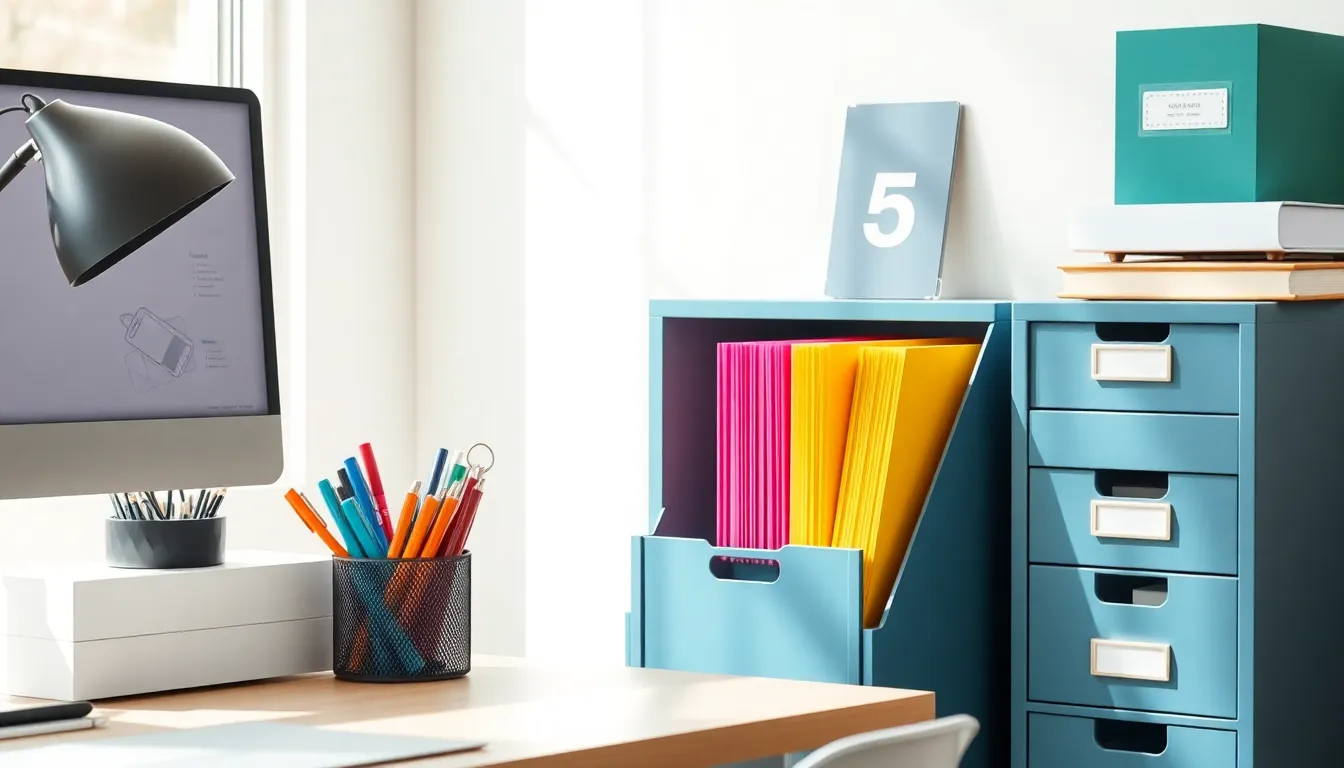
Desk organizers help streamline office supplies. These tools keep pens, papers, and other essentials neatly arranged. Choosing multi-compartment trays or vertical file holders enables easy access to necessary items. Color-coded organizers support efficient categorization, making it simple to locate materials at a glance. Invest in drawer dividers to separate miscellaneous items, reducing clutter and distraction.
File Storage Solutions
File storage solutions are crucial for maintaining order. Use filing cabinets or mobile carts to store documents securely. Digital file management applications can complement physical storage by organizing electronic documents, reducing paper use. Labeling folders facilitates quick retrieval, enhancing overall productivity. Implementing a color-coded system for files can minimize the time spent searching for important paperwork. Keeping archived paperwork in dedicated boxes or bins preserves space in the main office area while keeping essential files easily accessible.
Creating An Efficient Workspace
Creating an efficient workspace involves strategic organization and thoughtful layout. A well-designed office enhances productivity and minimizes distractions.
Zoning Your Home Office
Zoning separates work areas from relaxation spaces. Designate specific zones for tasks like computer work, meetings, and brainstorming. Clarity in space differentiation fosters a focused mindset. For example, placing a desk in a quiet corner signals work time, while a comfortable chair nearby promotes relaxation. Use area rugs or furniture arrangements to visually define these spaces. Ensuring that each zone has the necessary supplies helps streamline workflow and encourages productivity.
Ergonomics And Comfort
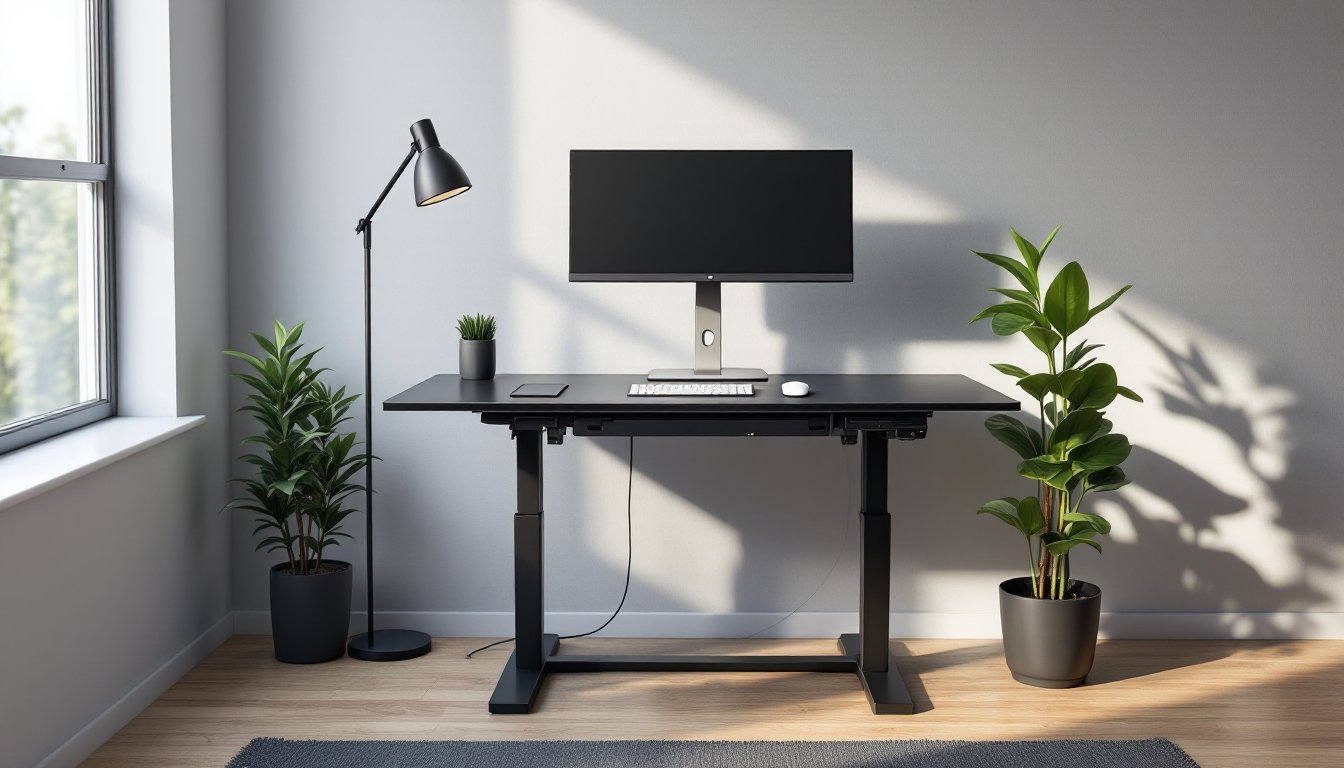
Ergonomics maximizes comfort and minimizes strain during work hours. Invest in an adjustable chair and desk to accommodate various tasks and body types. Position the computer screen at eye level to prevent neck strain. Use wrist supports for keyboard and mouse tasks to enhance comfort during extended periods. Incorporating plants or artwork enhances visual appeal while contributing to a pleasant atmosphere. Regular breaks and stretches further support physical well-being by preventing fatigue and promoting circulation. Emphasizing comfort results in a more enjoyable and productive work experience.
Decluttering Strategies
Creating a clean and organized home office fosters a productive atmosphere. Adopting effective decluttering strategies enhances focus and promotes a sense of calm.
The Minimalist Approach
A minimalist approach simplifies workspace design. Focusing on essential items limits distractions. Start by removing non-essential supplies, leaving only necessary tools for daily tasks. To maintain organization, create a designated spot for frequently used items. Encourage regular evaluations of desk contents, ensuring that only valuable items remain. Reducing visual clutter leads to clearer thinking and promotes a serene environment conducive to productivity.
Digital Decluttering Tips
Digital clutter can disrupt workflow. Begin by sorting files into clearly labeled folders on your computer. Organize documents based on categories like projects or clients. Regularly review files, deleting those that are outdated or unnecessary. Utilize cloud storage for easy access to important documents while freeing up local space. Implement digital tools that assist in organization, such as task managers or project management applications. By prioritizing a clean digital workspace, it becomes easier to focus on tasks and enhance productivity.
Maintaining Organization
Maintaining organization is essential for an efficient home office. Daily and weekly practices can significantly contribute to a clutter-free environment.
Daily Routines
Establishing daily routines promotes organization. Start each morning by decluttering the workspace, removing any unnecessary items from the desk. Allocate time to respond to emails and organize documents for the day. Prioritize tasks by creating a to-do list, ensuring focus on high-impact activities first. Set designated break times throughout the workday to recharge, making it easier to maintain concentration. Each evening, review accomplishments and prepare the workspace for tomorrow. Implementing these habits leads to a more structured, productive office atmosphere.
Weekly Checklists
Weekly checklists help reinforce organization. Begin each week by assessing progress on ongoing projects, noting any pending tasks. Schedule a specific time for decluttering, both physical and digital, ensuring that files remain categorized and easily accessible. Utilize the checklist to identify items that require restocking, such as office supplies, and reorder them promptly. Evaluate the effectiveness of existing organization tools and make adjustments if necessary. Ending the week with a clean and organized space sets a positive tone for the upcoming workweek.
A well-organized home office can significantly enhance productivity and create a more enjoyable work experience. By implementing effective organization strategies and maintaining a clutter-free environment, individuals can foster focus and reduce stress. Regular evaluations and the use of organization tools are key to sustaining an efficient workspace.
Establishing daily and weekly routines not only keeps the office tidy but also promotes a positive mindset. Ultimately, investing time in home office organization pays off in improved performance and a balanced work-life dynamic. Embracing these tips can transform any workspace into a haven of creativity and efficiency.