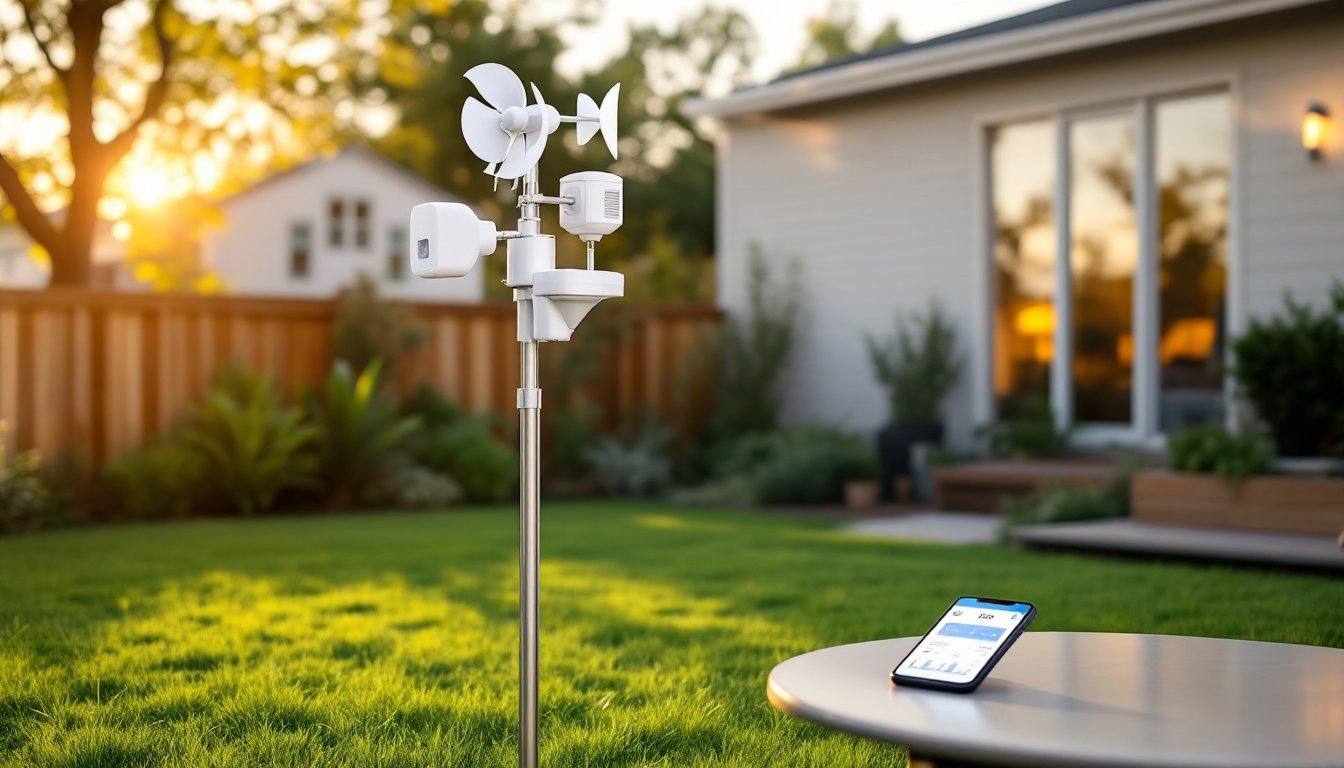
Imagine walking into your home, and with a simple voice command, the lights dim, the thermostat adjusts, and your favorite playlist starts playing. Sounds like a scene from a sci-fi movie, right? Well, welcome to the world of home automation kits, where technology makes life feel like magic. These nifty gadgets turn any ordinary home into a smart haven, making everyday tasks feel effortless and, dare we say, a bit glamorous.
What Is a Home Automation Kit?
A home automation kit consists of various devices and technologies designed to enhance home functionality. These kits typically include smart sensors, light bulbs, plugs, and controllers. Users gain the ability to control home devices remotely through smartphones or voice commands.
Integration plays a crucial role in the effectiveness of these kits. Various brands and platforms enable users to connect multiple devices, making it easier to manage home environments. Popular platforms include Amazon Alexa, Google Home, and Apple HomeKit.
Convenience ranks high among reasons for adopting home automation. Homeowners can schedule lighting, manage energy consumption, and enhance security with smart locks and cameras. Daily tasks become simpler, such as adjusting thermostats based on preferences.
Cost-effectiveness also features prominently. Many kits offer bundle deals, making it economical for users to begin their smart home journey. Long-term savings on energy bills are another incentive, as smart devices often promote energy-efficient behaviors.
Scalability allows users to start small and expand as needed. A homeowner can initiate their smart home project with a single smart bulb or plug, gradually incorporating more devices over time.
Interconnectivity remains a significant advantage. Home automation kits facilitate communication between devices, enabling them to work together seamlessly. For example, a motion sensor can trigger lights and alert homeowners of potential intruders.
With a home automation kit, creating a tailored living environment becomes accessible. These technologies empower users to customize their home experience according to individual needs and preferences.
Benefits of Home Automation Kits

Home automation kits offer significant advantages that enhance daily life in various ways.
Increased Convenience
Convenience becomes paramount with home automation kits. Users gain the ability to manage multiple devices through smartphones or voice commands. Tasks such as adjusting thermostat settings, turning lights on and off, or locking doors can occur remotely. Scheduling routines simplifies daily life, allowing automated management of lighting or appliances at specific times. Compatibility with popular platforms enhances user experience, ensuring seamless integration across devices.
Enhanced Security
Enhanced security represents another major benefit of home automation kits. Smart locks provide secure access, allowing users to control entry points with ease. Surveillance cameras enable real-time monitoring of property, sending alerts during suspicious activities. Integrating motion sensors with security systems strengthens protection, detecting unexpected movements. Remote access allows users to check the status of locks or cameras while away, providing peace of mind.
Energy Efficiency
Energy efficiency benefits individuals and the environment through home automation. Smart thermostats adjust heating and cooling based on user preferences, optimizing energy usage. Users can monitor energy consumption using smart plugs, identifying high-energy devices and adjusting usage accordingly. Scheduling lights to turn off during the day prevents unnecessary electricity waste. Reduction in energy bills becomes noticeable over time, promoting long-term savings while harnessing technology for a greener home.
Popular Home Automation Kit Features
Home automation kits offer a range of features designed to enhance daily living. Smart lighting, climate control, and security systems stand out as top components.
Smart Lighting
Smart lighting systems allow users to manage their home’s ambiance effortlessly. Users can dim lights, change colors, and schedule lighting routines from their smartphones. Voice control integration with platforms like Alexa and Google Assistant ensures convenience. Energy-efficient LED bulbs are often included, contributing to reduced energy bills. Many systems also offer motion sensors that automatically adjust lighting based on occupancy. With customizable settings, homeowners personalize their environment to enhance comfort and practicality.
Climate Control
Climate control systems enable efficient management of a home’s heating and cooling. Smart thermostats learn user preferences and adjust settings accordingly. Users can access climate controls remotely, ensuring optimal comfort before arrival. Some systems include sensors that detect humidity levels, further refining temperature settings. These solutions promote energy savings by optimizing HVAC usage based on actual needs. Integration with weather data allows for adjustments based on outdoor conditions.
Security Systems
Security systems within home automation kits enhance home safety significantly. Smart locks provide keyless entry, allowing users to grant access remotely. Surveillance cameras offer real-time monitoring, alerting homeowners to unusual activities. Users can track video feeds via mobile devices, ensuring peace of mind when away. Alarm systems can be programmed to notify users of breaches and suspicious behavior. Many devices work seamlessly together, providing a comprehensive security solution tailored to individual needs.
Choosing the Right Home Automation Kit
Selecting a suitable home automation kit requires careful consideration of various factors. Two key areas to evaluate include budget and device compatibility.
Budget Considerations
Budget plays a vital role when selecting a home automation kit. Many kits range from $100 to $500, depending on features and brand. Users should consider upfront costs along with potential long-term savings from energy efficiency. For instance, smart thermostats often reduce heating and cooling expenses, leading to significant savings. Investing in a starter kit may provide sufficient functionality, while larger budgets allow for expanded capabilities. Price comparison among different brands will highlight the best options within a desired price range. Finding a balance between budget and functionality enables users to maximize their smart home experience.
Compatibility with Existing Devices
Compatibility with existing devices can impact the overall efficiency of a home automation kit. Not all devices work seamlessly with every system, making integration crucial. Users should check for compatibility with platforms like Amazon Alexa, Google Home, or Apple HomeKit. Identifying whether current devices support these ecosystems will simplify setup and operations. Choosing devices with broad compatibility ensures that future additions can integrate smoothly. Researching user reviews and specifications helps clarify which products work best together. Ensuring compatibility enhances functionality, creating a cohesive smart home environment.
Home automation kits offer a transformative experience that elevates everyday living. They bring convenience security and energy efficiency into homes while allowing users to create a personalized environment. With the ability to control devices remotely and integrate seamlessly with popular platforms these kits simplify daily routines and enhance overall quality of life.
As users explore their options it’s essential to consider budget and compatibility to ensure a smooth setup. By investing in a home automation kit individuals can enjoy the benefits of a smarter home tailored to their unique preferences and needs. Embracing this technology not only streamlines tasks but also fosters a sense of comfort and control in any living space.