Imagine walking into your home and having it greet you like an excited puppy. Smart home innovations are transforming ordinary living spaces into extraordinary experiences. With a wave of your hand or a simple voice command, you can control everything from lighting to security, making life not just easier but a whole lot cooler.
These tech-savvy upgrades aren’t just about convenience; they’re about creating a lifestyle that adapts to you. Whether it’s brewing your morning coffee or dimming the lights for movie night, smart home gadgets are here to cater to your whims. So buckle up as we explore the latest in smart home innovations that’ll make you wonder how you ever lived without them. Who knew living in the future could be this much fun?
Overview of Smart Home Innovations
Smart home innovations enhance daily living by integrating technology into household activities. Devices like smart thermostats adjust temperatures based on user habits, promoting energy efficiency. Lighting systems adapt automatically to the time of day, allowing for mood-setting environments.
Security enhancements include smart cameras and locks that users manage remotely, increasing peace of mind. Voice-activated assistants play crucial roles, providing access to information and controlling connected devices seamlessly. Automated systems for coffee makers and cooking appliances cater to individual routines, improving convenience significantly.
Smart home ecosystems comprise interconnected devices that communicate effectively, ensuring a cohesive user experience. Monitoring tools provide insights on energy usage, helping households optimize their consumption. Integration with mobile apps allows for control from anywhere, truly redefining interactivity within living spaces.
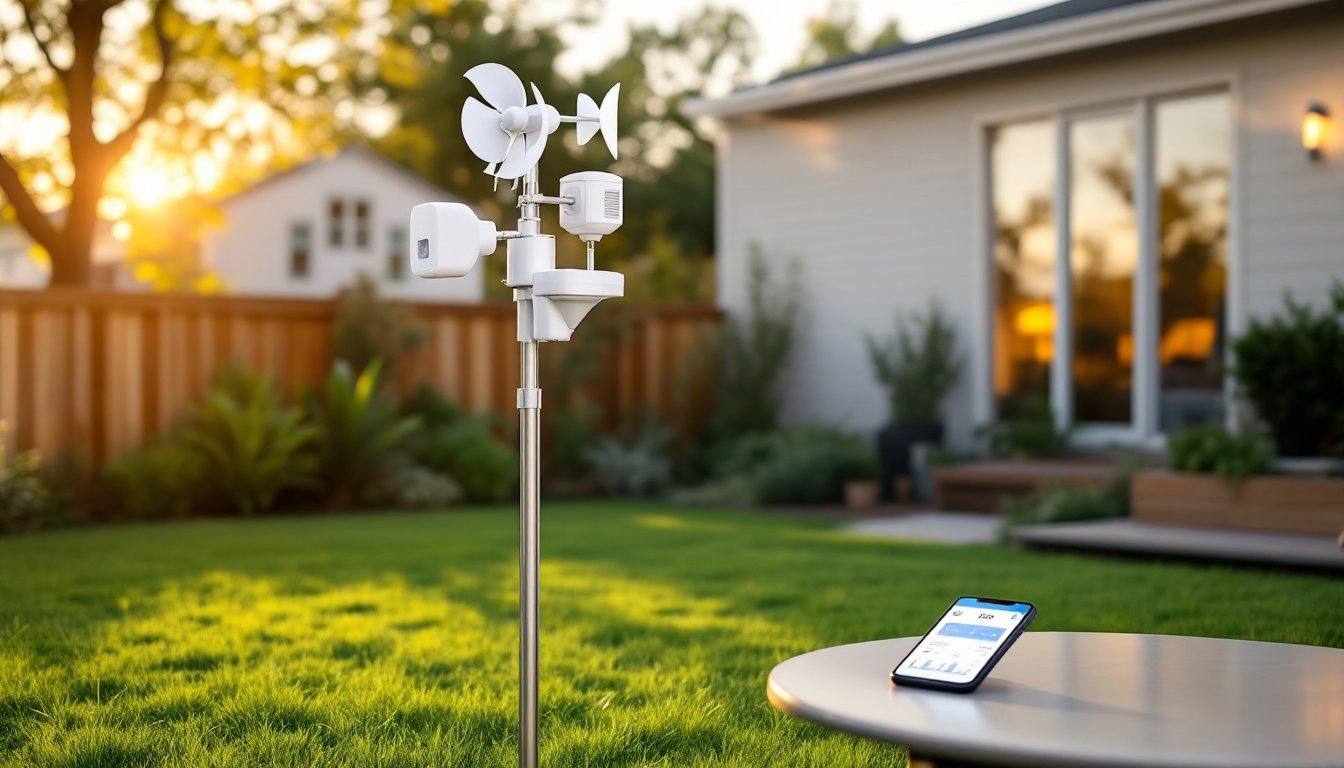
Recent advancements in artificial intelligence enable these devices to learn preferences over time, resulting in a more personalized atmosphere. For instance, environmental sensors can detect changes in occupancy and adjust settings automatically. Several brands are now developing systems that prioritize user privacy without sacrificing functionality.
Trend analysis indicates smart home technology will continue evolving rapidly. Market growth forecasts predict an increase in demand for energy-efficient innovations in homes. As technology advances, the boundaries of smart home capabilities will expand, further enhancing lifestyle and convenience.
Benefits of Smart Home Innovations

Smart home innovations offer multiple advantages that enhance daily living. These technologies streamline tasks, boost security, and promote energy savings.
Enhanced Convenience
Smart home devices simplify everyday routines by automating numerous tasks. Smart speakers enable control of lights and appliances through voice commands. Automated schedules for appliances allow for timed operations, like starting coffee at 7 AM. These features save time, making daily life more manageable. Remote access through mobile applications lets users monitor home functions from anywhere. Integrating smart devices means seamless communication, which enhances overall user experience.
Improved Security
Smart home innovations significantly enhance security measures for households. Smart cameras provide real-time surveillance accessible from smartphones, ensuring homeowners remain informed. They also offer alerts for unusual activities, allowing for prompt responses. Smart locks enable keyless entry, providing convenience while maintaining safety. Many systems support remote monitoring, which helps users feel safer when away from their homes. Collectively, these features foster peace of mind through advanced security protocols.
Energy Efficiency
Energy efficiency represents a key benefit offered by smart home technology. Smart thermostats automatically adjust temperatures based on user habits, optimizing energy usage. Studies indicate users can save up to 10-12% on heating and cooling costs annually with these devices. Additionally, smart lighting systems adapt to occupancy, reducing unnecessary energy consumption. Monitoring tools track energy usage, encouraging efficient practices among users. Overall, these innovations contribute to sustainable living by minimizing waste.
Popular Smart Home Devices
Smart home devices continue to transform everyday living through innovation and connectivity. Below are some of the most popular devices enhancing user experience.
Smart Speakers
Smart speakers act as central control hubs for various smart home devices. Users rely on voice-activated assistants like Amazon Alexa, Google Assistant, and Apple Siri to manage daily tasks. With smart speakers, individuals can play music, set reminders, and even control lighting or temperature with simple commands. Compatibility with numerous smart gadgets allows effective integration across different ecosystems. Security features like voice recognition enhance user privacy while multitasking becomes effortless.
Smart Thermostats
Smart thermostats contribute significantly to energy efficiency in homes. Individuals benefit from the ability to monitor and adjust temperatures remotely through mobile apps. Popular models learn user habits and preferences, optimizing heating and cooling schedules. Data analytics provide insights into energy consumption patterns, helping homeowners manage their utility bills effectively. Integration with weather forecasts enables intelligent adjustments based on external conditions. Overall, these devices help create a comfortable living environment while reducing energy waste.
Smart Lighting
Smart lighting systems simplify ambiance control and improve energy management. Homeowners can customize brightness levels, colors, and schedules through smartphone applications or voice commands. Incorporating motion sensors allows lights to activate automatically when someone enters a room. Energy savings become evident as these systems can be scheduled to turn off when not in use. Moreover, programmable scenes create different moods for various activities, like movie nights or dinner parties. The versatility of smart lighting makes it a significant addition to modern homes.
Future Trends in Smart Home Innovations
Smart home technology continues to evolve, showcasing exciting trends that enhance daily living. Innovations emphasize both convenience and personalization, particularly through artificial intelligence.
AI Integration
Artificial intelligence drives many smart home devices, enabling them to learn user preferences. Devices analyze user behavior, improving efficiency and interaction over time. For instance, AI-powered smart thermostats adjust heating and cooling based on daily patterns. Voice assistants also refine responses, creating more intuitive interactions. Notably, these systems encourage energy management tailored to individual habits, making homes greener. Future innovations will likely focus on even deeper AI integration, resulting in homes that anticipate and respond to user needs seamlessly.
Increased Interoperability
Interconnectivity among devices plays a crucial role in the future of smart homes. Various manufacturers are developing standards that facilitate communication across different platforms. As a result, users will enjoy smoother control through unified apps, reducing frustration from incompatible gadgets. Increased interoperability allows devices from multiple brands to work together harmoniously. For example, a user might command one platform to turn off lights while locking doors simultaneously. In this cooperative environment, smart home systems enhance user experience while promoting greater efficiency and ease of use.
Smart home innovations are reshaping how individuals interact with their living spaces. With a focus on convenience security and energy efficiency these advancements cater to diverse lifestyles and preferences. As technology continues to evolve the integration of artificial intelligence and enhanced interoperability among devices will further streamline daily routines.
Homeowners can expect a future where their environments respond intuitively to their needs creating a seamless blend of comfort and control. This ongoing transformation not only improves daily living experiences but also promotes sustainable practices. Embracing these smart technologies will undoubtedly lead to a more connected and efficient way of life.