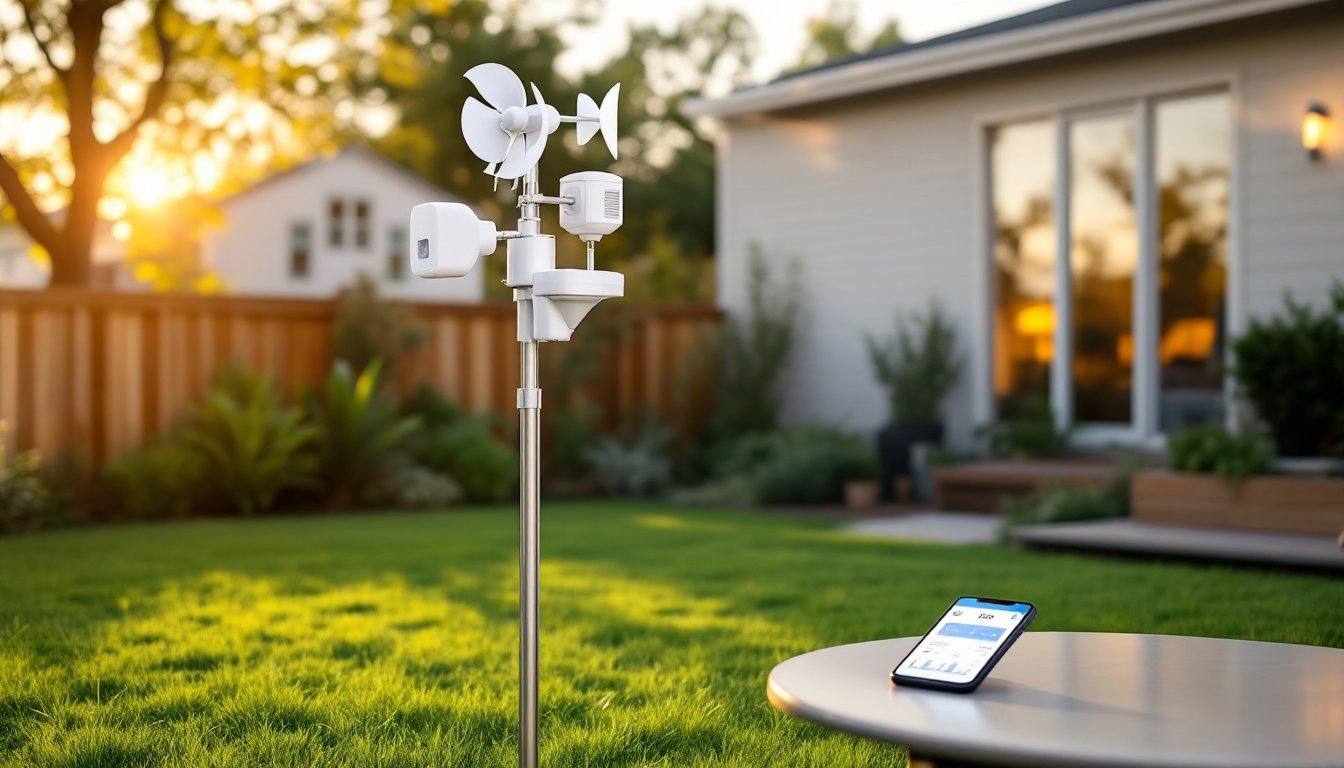
In a world where energy bills seem to climb faster than a cat up a tree, finding smart energy efficiency tips is like discovering a hidden treasure. Who wouldn’t want to save a few bucks while saving the planet? With a sprinkle of creativity and a dash of common sense, anyone can turn their home into an energy-saving fortress.
Table of Contents
ToggleUnderstanding Smart Energy Efficiency
Smart energy efficiency involves optimizing energy use to reduce waste, save costs, and lessen environmental impact. It encompasses various practices and technologies aimed at achieving better energy performance.
What Is Energy Efficiency?
Energy efficiency refers to utilizing less energy to provide the same service. This concept applies to appliances, buildings, and industrial processes, ensuring that energy consumption aligns with actual needs. For example, energy-efficient appliances use advanced technologies that consume less electricity while delivering comparable performance. Such practices lead to reduced energy bills and lower carbon footprints, benefiting both homeowners and the environment.
Importance of Smart Energy Practices
Smart energy practices are essential for several reasons. They contribute to significant cost savings on utility bills, with households potentially saving 20% or more through effective measures. Implementing energy-efficient strategies also helps reduce greenhouse gas emissions, directly impacting climate change. Furthermore, energy-efficient homes often feature higher property values and better marketability. Investing in smart energy solutions fosters a sustainable lifestyle while providing economic benefits.
Smart Energy Efficiency Tips for Homeowners
Homeowners can implement various strategies to improve energy efficiency and reduce costs. By focusing on specific areas, individuals achieve substantial savings and contribute to a sustainable environment.
Insulation and Air Sealing
Proper insulation and air sealing enhance energy efficiency significantly. Insulation reduces heat transfer, keeping homes warmer in winter and cooler in summer. Spray foam, fiberglass, and cellulose make excellent insulation materials. Additionally, sealing gaps around windows, doors, and attics prevents air leaks. This simple action can lower heating and cooling demands. Research shows proper insulation can cut energy consumption by up to 30%. Regular audits identify areas needing improvement. Homeowners might also consider adding insulation in attics or basements. Prioritizing insulation and air sealing leads to comfortable, energy-efficient living spaces.
Energy-Efficient Appliances
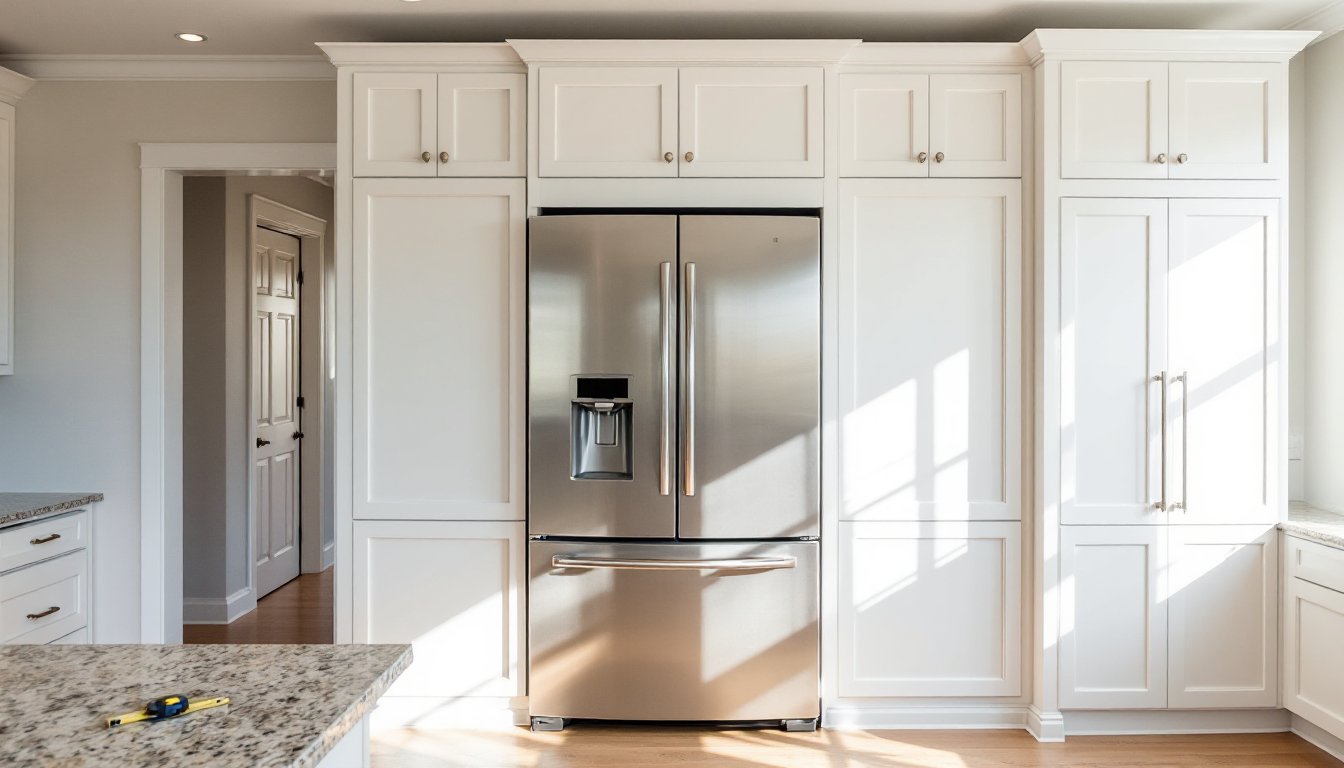
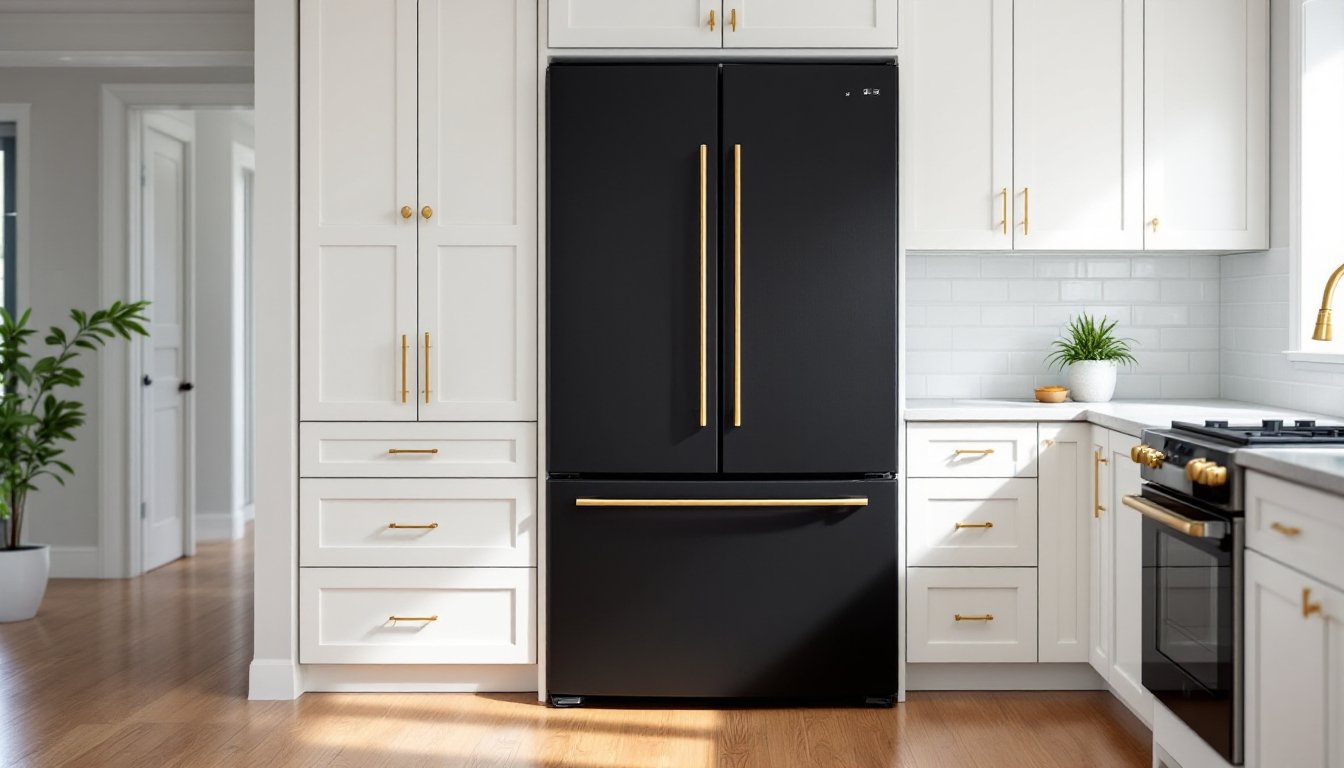
Switching to energy-efficient appliances reduces electricity usage and costs. Energy Star certified products surpass minimum efficiency standards set by the U.S. Department of Energy. Refrigerators, washing machines, and dishwashers designed with modern technology often utilize 10 to 50% less energy than conventional models. Homeowners could save money on utility bills while enjoying improved performance. Choosing products with a higher efficiency rating ensures long-term savings. Additionally, smart home devices monitor energy consumption patterns. These appliances enhance convenience while promoting energy conservation. Replacing old appliances creates a more environmentally friendly environment.
Smart Energy Efficiency Tips for Businesses
Businesses can save significant energy costs by implementing smart energy efficiency tips. Adopting these strategies not only reduces expenses but also enhances overall sustainability efforts.
Upgrading Lighting Systems
Businesses benefit from upgrading to energy-efficient lighting systems. LED bulbs use up to 75% less energy than traditional incandescent bulbs while lasting 25 times longer. Choosing smart lighting controls allows for automated dimming and scheduling, optimizing energy use according to occupancy. Installing motion sensors in less-frequented areas, like storage rooms or restrooms, minimizes unnecessary energy consumption. Moreover, daylight sensors can adjust indoor lighting based on natural light availability, further enhancing efficiency and reducing electricity costs.
Smart Thermostat Implementation
Implementing smart thermostats can significantly lower energy usage in commercial settings. These devices learn heating and cooling patterns, adjusting temperatures automatically to save energy when buildings are unoccupied. According to studies, companies can cut energy bills by 10% to 30% through smart thermostat usage. Businesses can also remotely control climate settings via smartphone apps, providing flexibility and convenience. Integrating these systems with existing HVAC infrastructure promotes seamless energy management, contributing to higher efficiency and comfort levels in the workplace.
The Role of Technology in Energy Efficiency
Technology plays a crucial part in optimizing energy efficiency, promoting smarter consumption, and reducing waste.
Smart Meters and Energy Monitoring
Smart meters empower users to track energy use in real time. Individuals gain insights into their consumption patterns, allowing for informed decisions that lead to savings. With data from these devices, homes can adjust energy usage during peak hours, which effectively lowers electricity bills. Studies show that households utilizing smart meters can achieve energy savings of up to 10%. Businesses benefit similarly; detailed monitoring enables them to identify inefficiencies and target areas for improvement, fostering a culture of energy conservation.
Home Automation Systems
Home automation systems enhance energy efficiency by streamlining control over various devices. By integrating smart thermostats, residents can adjust heating and cooling schedules based on daily routines, often reducing energy consumption by 10% to 30%. Additionally, automated lighting systems turn off when rooms are unoccupied, minimizing unnecessary energy use. Smart appliances can also be programmed to operate during off-peak hours, leveraging lower energy rates. Implementing these systems not only promotes convenience but significantly contributes to overall energy savings and sustainability.
Embracing smart energy efficiency tips can lead to substantial savings and a positive impact on the environment. By optimizing energy use through simple changes and technology, homeowners and businesses can significantly reduce their energy bills while enhancing comfort and sustainability.
Whether it’s upgrading to energy-efficient appliances or implementing smart home devices, every small step contributes to a larger goal of conserving resources. As energy costs continue to rise, adopting these practices not only benefits individual budgets but also supports a healthier planet. Making informed choices today lays the foundation for a more sustainable future.