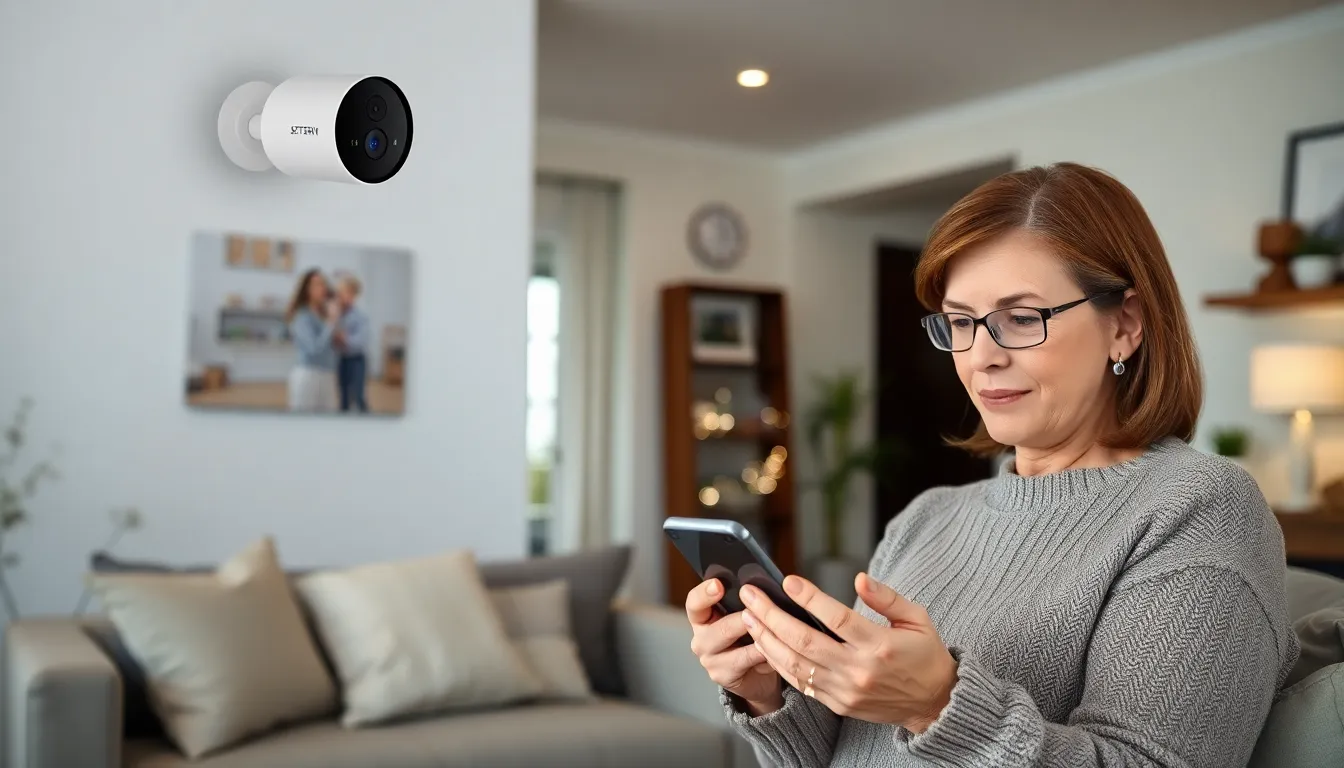
In an increasingly connected world, remote home monitoring has emerged as a game-changer for homeowners seeking peace of mind. With advancements in technology, individuals can now keep an eye on their properties from anywhere, ensuring safety and security at all times. Whether it’s through smart cameras, sensors, or comprehensive security systems, the ability to monitor a home remotely offers unparalleled convenience.
This innovative approach not only enhances security but also allows homeowners to manage energy usage and detect potential issues before they escalate. As more people embrace smart home devices, understanding the benefits and functionalities of remote home monitoring becomes essential. It’s time to explore how these systems can transform the way we protect and manage our living spaces.
Overview of Remote Home Monitoring
Remote home monitoring encompasses the use of advanced technology to enhance property security and management. Homeowners utilize smart devices, such as security cameras, motion detectors, and environment sensors, which provide real-time updates on property conditions. The integration of these systems allows individuals to monitor activities both inside and outside their homes remotely.
Key components of remote home monitoring include:
- Security Cameras: Smart cameras provide live feeds and recorded footage. These devices often feature motion detection and night vision capabilities.
- Door and Window Sensors: Sensors alert homeowners to any unauthorized entry. They contribute to overall security by notifying users of open or closed doors and windows.
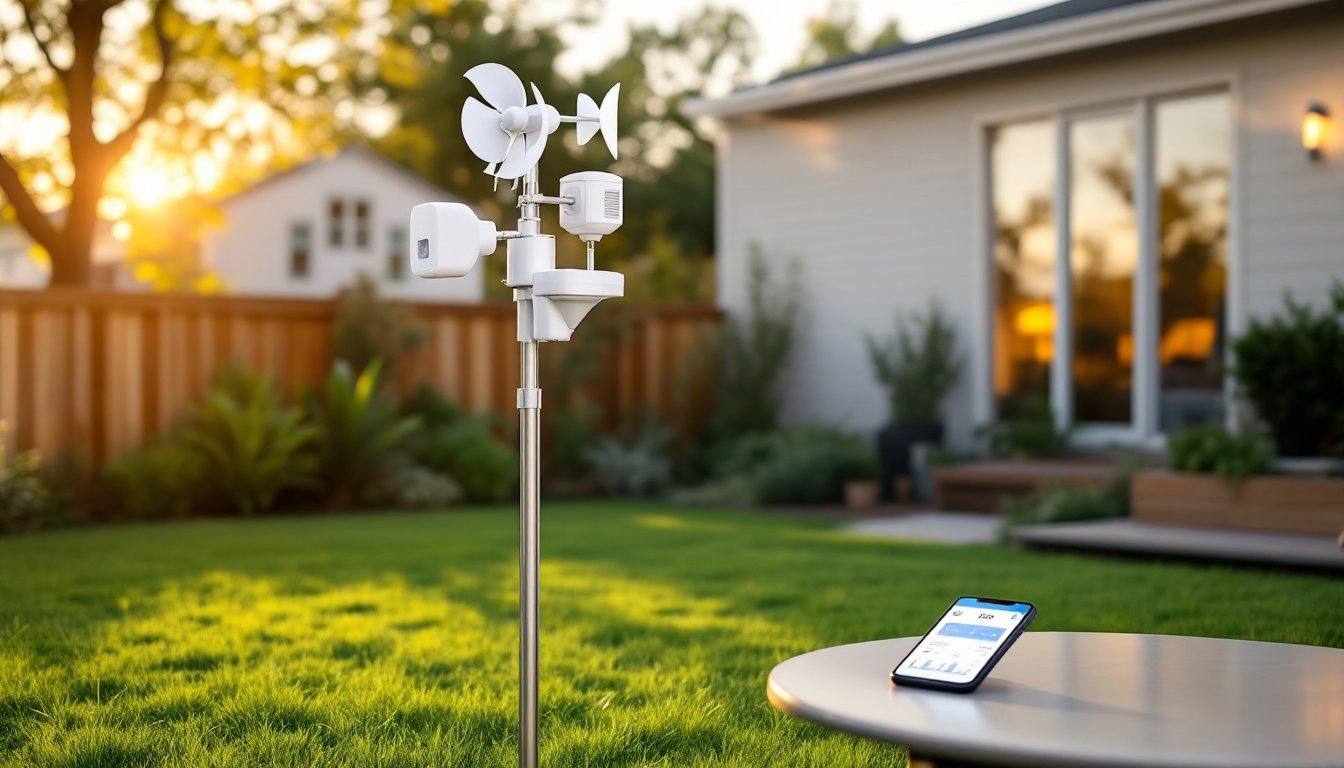
- Environmental Sensors: These monitors track temperature, humidity, and smoke levels. They help identify issues like potential leaks or fires early, promoting safety and efficient property management.
- Smart Alerts: Remote monitoring systems deliver instant notifications via smartphone apps or email. Timely alerts ensure homeowners respond quickly to incidents.
Remote home monitoring systems empower individuals to maintain visibility and control over their properties. By merging security features with modern technology, homeowners achieve greater peace of mind, optimizing energy usage and preventing potential hazards through proactive monitoring.
Benefits of Remote Home Monitoring
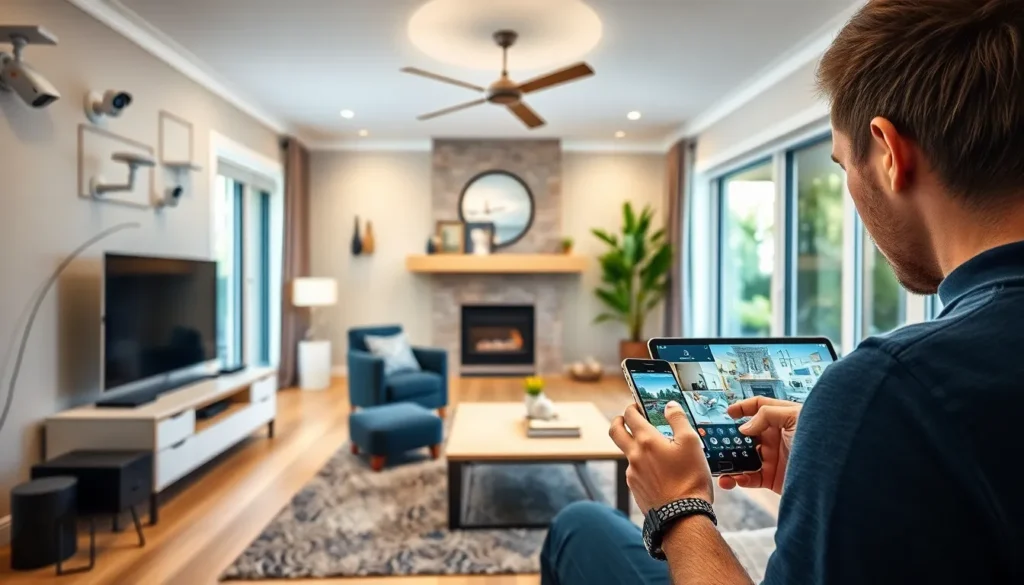
Remote home monitoring systems provide significant advantages that enhance security, safety, and convenience for homeowners. These benefits include enhanced safety and improved health management.
Enhanced Safety and Security
Enhanced safety and security rank as primary benefits of remote home monitoring. Security cameras offer real-time streaming, allowing individuals to observe their property at any time. Door and window sensors deliver immediate alerts for unauthorized access, ensuring timely response to potential intrusions. Motion detectors enhance surveillance by activating recordings during unusual activity, and 24/7 monitoring services provide an additional layer of protection. Integrating these systems can deter criminals, minimizing break-ins and lost property.
Improved Health Management
Improved health management represents another critical advantage of remote home monitoring. Environmental sensors monitor indoor air quality, detecting harmful conditions such as smoke, carbon monoxide, and extreme temperature fluctuations. Alerts inform homeowners of significant changes, enabling quick actions to maintain a safe environment. Surveillance cameras can also observe vulnerable individuals, such as elderly family members, ensuring prompt assistance if needed. Regular monitoring helps identify health concerns early, leading to timely intervention and enhanced well-being.
Technologies Used in Remote Home Monitoring
Remote home monitoring leverages various technologies to enhance security and efficiency. Key components include Internet of Things (IoT) devices, sensors, and mobile applications that streamline monitoring and management tasks.
IoT Devices and Sensors
IoT devices and sensors form the backbone of remote home monitoring systems.
- Smart Cameras: Smart cameras offer real-time video feeds, motion detection, and cloud storage options for recorded footage.
- Door and Window Sensors: Door and window sensors alert homeowners to unauthorized access, enhancing security awareness.
- Environmental Sensors: Environmental sensors monitor conditions such as temperature, humidity, smoke levels, and carbon monoxide, ensuring a safe living environment.
- Motion Detectors: Motion detectors automatically activate cameras or alarms during unusual activity, deterring potential intruders.
- Smart Thermostats: Smart thermostats enable energy management by allowing remote temperature adjustments, contributing to energy efficiency.
Mobile Applications and Software
Mobile applications and software play a critical role in remote home monitoring.
- Real-Time Notifications: Mobile applications provide real-time alerts on security events, enabling immediate responses.
- Remote Access: Homeowners can access live feeds and recorded footage from anywhere via mobile devices, enhancing peace of mind.
- Control Features: Users can remotely control devices such as locks, lights, and thermostats through intuitive interfaces.
- Compatibility: Many applications support integration with various smart home systems, allowing seamless management across devices.
- User Analytics: Software often includes analytics features to track energy usage, identify patterns, and optimize home performance.
Together, these technologies create a comprehensive remote home monitoring experience, allowing homeowners to maintain control over their environments effectively.
Challenges in Implementing Remote Home Monitoring
Implementing remote home monitoring poses several challenges, notably privacy concerns and technical barriers. Addressing these issues is essential for homeowners to fully utilize monitoring systems effectively.
Privacy Concerns
Privacy concerns arise from the constant surveillance associated with remote home monitoring systems. Cameras placed in and around homes may unintentionally record neighbors or visitors, leading to potential legal implications. Data storage presents another challenge, as sensitive information stored online can be vulnerable to hacking or unauthorized access. Homeowners must stay informed about data protection regulations and implement strong security measures to safeguard their privacy.
Technical Barriers
Technical barriers include connectivity issues and compatibility problems with existing devices. Remote monitoring systems rely heavily on stable internet connections; disruptions can hinder performance and alert capabilities. Additionally, device compatibility becomes crucial when integrating various brands and technologies. Homeowners may face challenges while ensuring that their devices communicate effectively. Users also require a certain level of technological proficiency to set up and maintain these systems, which may deter some individuals from adopting remote home monitoring.
Remote home monitoring offers a transformative approach to home security and management. By leveraging advanced technology homeowners can enhance safety and streamline energy usage effectively. The integration of smart devices provides peace of mind through real-time alerts and monitoring capabilities.
While challenges such as privacy concerns and technical barriers exist, the benefits of these systems often outweigh the drawbacks. Homeowners who embrace remote monitoring can enjoy a safer living environment and greater control over their properties. As technology continues to evolve the future of home monitoring looks promising, making it an essential consideration for anyone looking to protect their home and loved ones.