As smart homes become more common, the convenience they offer often overshadows a pressing concern: privacy. With devices that listen, watch, and learn, homeowners may unwittingly invite vulnerabilities into their lives. The very technology designed to enhance comfort can also expose personal data to potential threats.
Understanding the implications of privacy in smart homes is crucial. From smart speakers to security cameras, each device collects data that could be misused. As individuals embrace this tech-savvy lifestyle, they must navigate the fine line between convenience and security. This article dives into the challenges of maintaining privacy in an increasingly connected world, offering insights and solutions for safeguarding personal information.
Understanding Smart Homes
Smart homes refer to residences equipped with devices that automate and control various systems for convenience, energy efficiency, and security. These interconnected technologies enable homeowners to monitor and manage their environments remotely, raising crucial privacy considerations.
Definition of Smart Homes
Smart homes integrate various technologies to enhance functionality and user comfort. These homes typically connect devices like lights, thermostats, security cameras, and appliances to the internet, allowing centralized control through smartphones or voice assistants. Users can program and manage these devices for optimal performance, instilling a sense of modern living.
Components of Smart Home Technology
Smart home technology comprises several components that work together to create a cohesive ecosystem. Key components include:
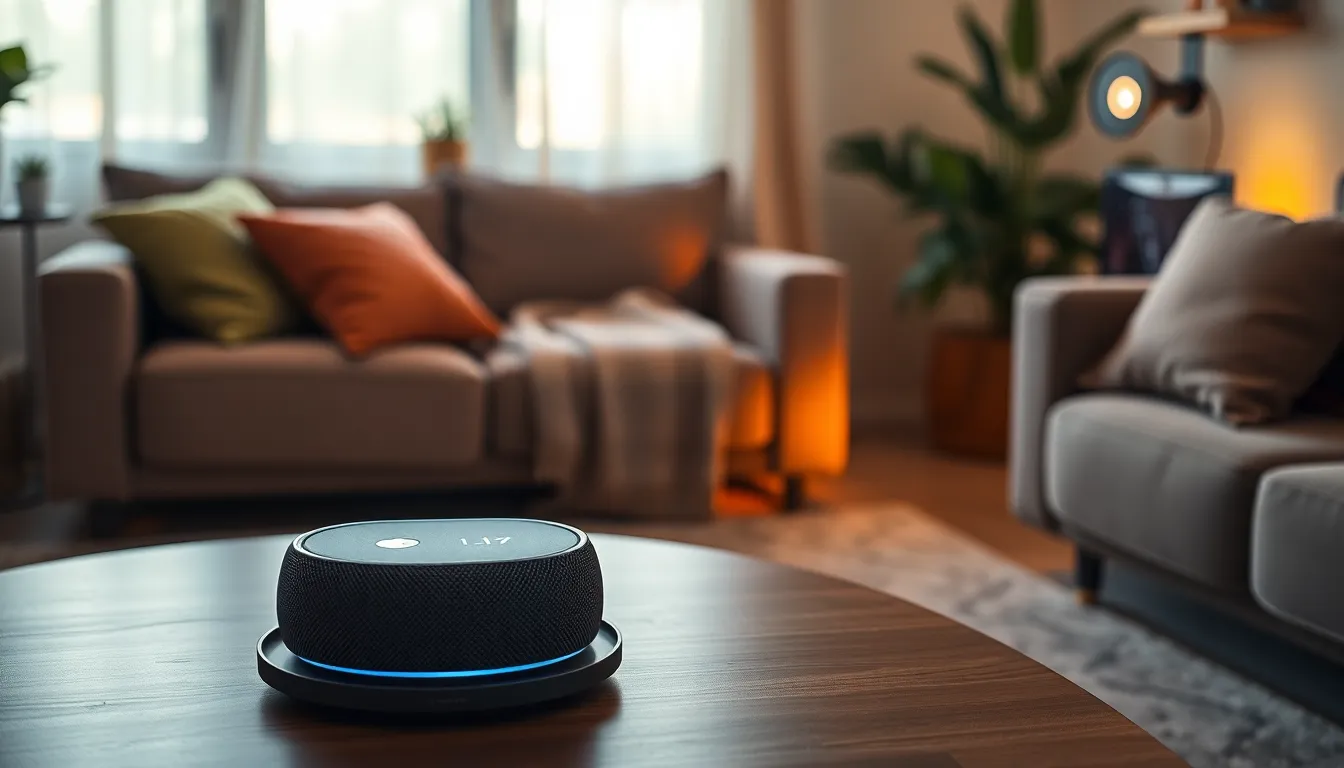
- Smart Speakers: Serve as hubs for voice control and connectivity, enabling users to interact with other devices effortlessly.
- Smart Thermostats: Adjust heating and cooling settings based on user preferences, optimizing energy usage and reducing costs.
- Smart Security Cameras: Provide real-time surveillance, often equipped with motion detection and notifications, ensuring safety and peace of mind.
- Smart Lighting: Allows users to control brightness and schedules remotely, enhancing comfort and energy efficiency.
- Smart Appliances: Enable remote monitoring and operation of kitchen and cleaning devices, contributing to enhanced convenience.
These components illustrate the growing adoption of smart home technology, emphasizing the importance of understanding their implications for privacy and security.
Importance of Privacy in Smart Homes
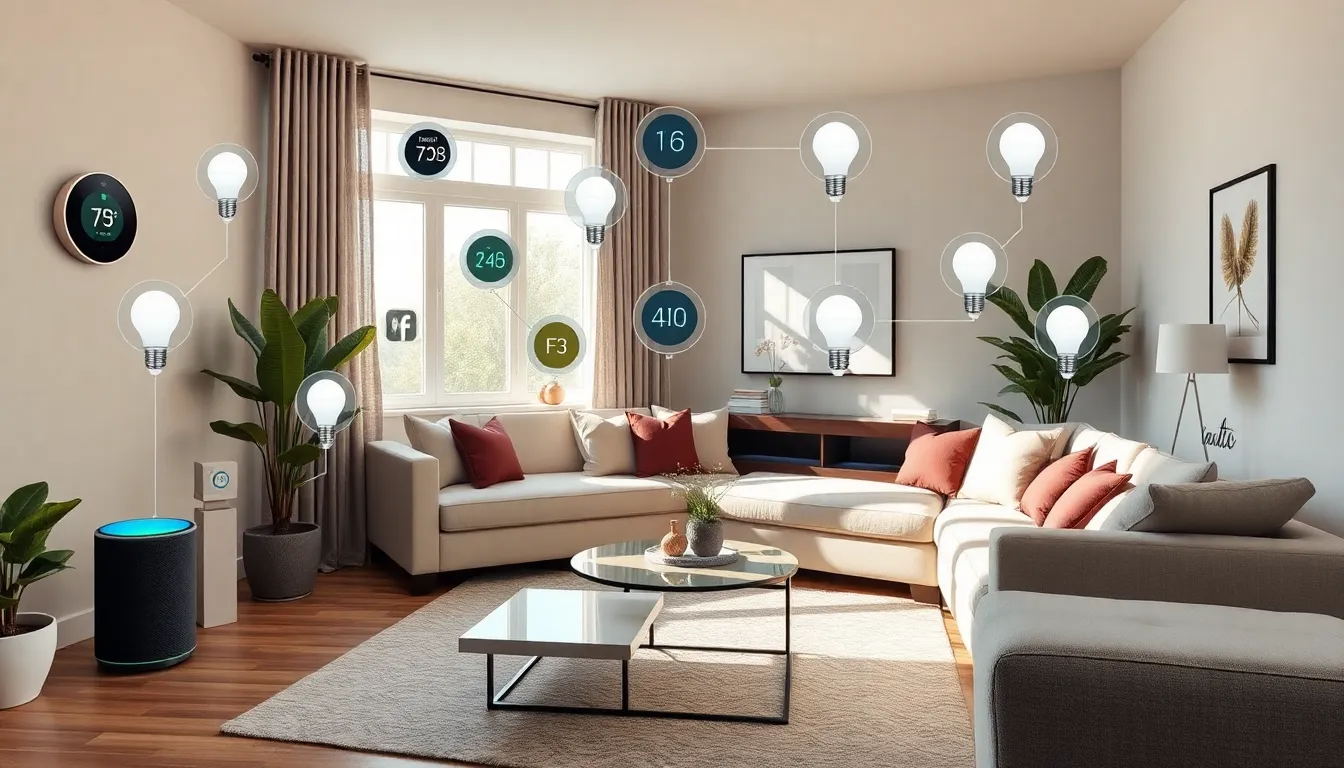
Privacy in smart homes plays a crucial role as more individuals adopt interconnected devices. These advancements bring efficiency and convenience, yet they also pose significant privacy concerns.
Data Collection and Usage
Smart home devices continuously collect data to enhance user experiences. This data includes personal information, voice commands, and usage patterns. Companies often use this information to improve services, but it may also be shared with third parties for marketing purposes. Users frequently remain unaware of the extent of data collection, raising concerns about consent and transparency.
| Data Type | Purpose of Collection | Potential Use |
|---|---|---|
| Voice commands | Improve voice recognition | Marketing and personalization |
| Usage patterns | Optimize device functionality | Data analytics and insights |
| Location data | Provide location-based services | Targeted advertising |
Potential Risks to Privacy
Smart homes expose homeowners to various privacy risks. Unauthorized access to devices can lead to security breaches. Cybercriminals may exploit vulnerabilities in smart home systems, resulting in identity theft or data leaks. Additionally, improper data management by companies can result in sensitive information being exposed unintentionally.
| Risk Type | Description | Impact |
|---|---|---|
| Unauthorized access | Hacking or phishing attempts | Loss of personal data |
| Data leaks | Breaches in data protection | Privacy invasion |
| Device vulnerability | Poor security protocols | Exploitation by malicious actors |
Strategies for Enhancing Privacy
Smart home users can implement several strategies to fortify their privacy. Adopting best practices ensures that interconnected devices maintain high security while protecting personal data.
Secure Device Configuration
Secure configurations for smart home devices play a crucial role in protecting privacy. Users should change default passwords immediately upon installation, opting for complex passwords containing a mix of letters, numbers, and symbols. Enabling two-factor authentication (2FA) adds an additional security layer, requiring verification via another device or method. Disabling unnecessary features like remote access or voice assistance when not needed reduces potential exposure. Regularly reviewing device settings also helps identify any unauthorized access or vulnerabilities.
Regular Software Updates
Regular software updates significantly enhance device security. Manufacturers frequently release updates to patch vulnerabilities and improve functionality. Users must enable automatic updates to ensure devices receive crucial security enhancements promptly. When manual updates are necessary, checking for available versions at least once a month helps maintain optimal security. Monitoring security bulletins from manufacturers also assists users in staying informed about any known vulnerabilities associated with their devices.
Regulatory Considerations
Privacy in smart homes intersects significantly with existing regulatory frameworks. Understanding current privacy laws and anticipating future legislation trends is crucial for consumers and manufacturers alike.
Current Privacy Laws
Several existing privacy laws govern data collection and usage practices in smart homes. The General Data Protection Regulation (GDPR) in the European Union mandates strict data protection measures for personal information, applying to businesses that process data of EU residents. In the United States, the California Consumer Privacy Act (CCPA) offers California residents rights regarding their personal data, including the ability to opt-out of data selling and request disclosure of the information collected.
Additionally, the Federal Trade Commission (FTC) oversees privacy protections by enforcing fair practices that include truth in advertising and safeguarding consumers from deceptive practices. Companies collecting data through smart home devices must typically comply with these regulations, ensuring user privacy is respected.
Future Legislation Trends
Future legislation trends indicate a growing recognition of the importance of privacy in smart home technology. Lawmakers nationwide are addressing privacy concerns related to connected devices, with proposals aiming to create comprehensive privacy regulations akin to the GDPR.
Emerging trends focus on enhancing consumer rights, such as enforcing transparency in data collection practices and enabling easier opt-out options for consumers. Anticipated developments may include stricter rules regarding data sharing with third parties and requirements for companies to implement robust security measures.
Companies operating in the smart home market should prepare for dynamic regulatory landscapes, ensuring compliance while fostering consumer trust through transparent data practices.
Smart homes offer remarkable convenience but come with significant privacy challenges. As technology continues to evolve homeowners must prioritize their data security to protect personal information. By implementing recommended best practices and staying informed about regulatory changes users can navigate the complexities of smart home privacy more effectively.
The balance between enjoying the benefits of smart technology and ensuring privacy is crucial. Awareness and proactive measures are key in creating a secure environment that allows users to fully embrace the advantages of their interconnected devices without compromising their personal data.