In the world of machinery and equipment, preventive maintenance checklists are like a superhero’s cape—essential for saving the day. They swoop in to rescue businesses from the clutches of unexpected breakdowns and costly repairs. Who wouldn’t want to avoid the dreaded “Oops, we forgot to check that” moment when the equipment decides to throw a tantrum?
Overview of Preventive Maintenance Checklists
Preventive maintenance checklists serve as essential tools in maintaining machinery and equipment. These documents outline necessary tasks, ensuring that each component functions efficiently and safely. Regularly following these checklists minimizes the risk of unexpected failures.
Businesses gain numerous benefits from implementing preventive maintenance checklists. Improved safety is one advantage, as routine checks identify potential hazards. Enhanced efficiency follows, with equipment operating at optimal levels, which reduces energy consumption and increases productivity.
Creating an effective preventive maintenance checklist involves specific steps. First, identify critical machines and equipment that require attention. Next, establish a schedule for routine checks, based on manufacturer recommendations and operational demands. Lastly, involve maintenance personnel to ensure thorough execution.
Adhering to preventive maintenance checklists also provides documentation. This record helps track maintenance history, enhancing accountability. When technicians perform checks and repairs, noting completion times and any issues discovered serves to improve future processes.
Overall, utilizing preventive maintenance checklists fosters a proactive mindset within an organization. Commitment to consistent maintenance practices leads to significant cost savings over time. Businesses that prioritize these checklists effectively reduce downtime and enhance the lifespan of assets. Implementing this strategy ultimately results in a well-maintained equipment fleet, supporting long-term operational success.
Importance of Preventive Maintenance
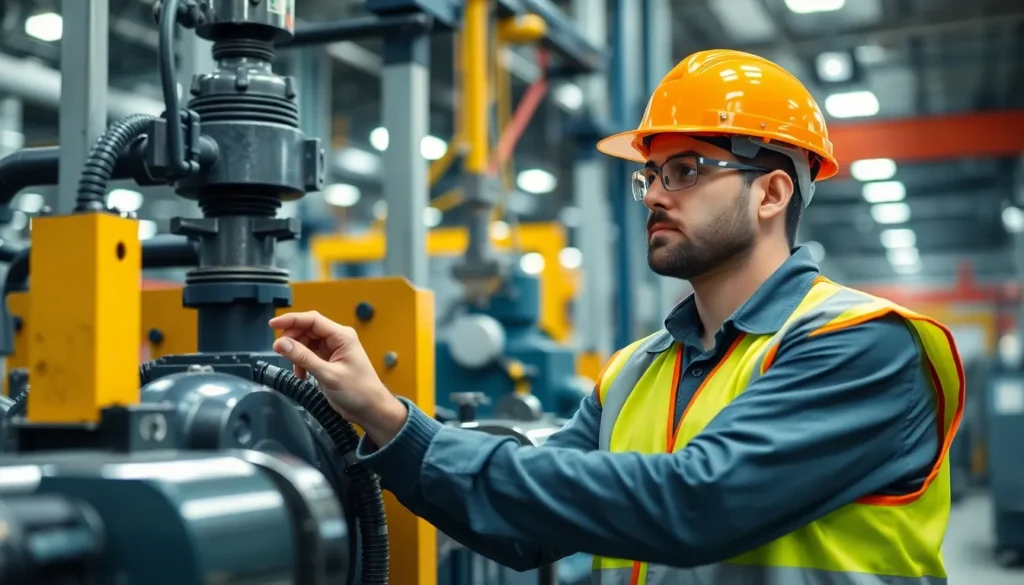


Preventive maintenance plays a crucial role in machinery and equipment management, supporting continuous operations and reliability.
Benefits of Regular Maintenance
Regular maintenance significantly enhances safety by identifying potential hazards. Equipment functioning at peak performance reduces the risk of accidents. Improved reliability leads to higher productivity because machinery encounters fewer breakdowns. Employees experience peace of mind when they know equipment undergoes routine inspections. Regular maintenance also helps in compliance with industry regulations, which can mitigate liability in case of incidents.
Cost Savings and Efficiency
Implementing preventive maintenance translates into substantial cost savings for businesses. Routine checks can identify minor issues before they escalate into major repairs, saving money on unexpected breakdowns. Maintenance practices improve efficiency, leading to reduced energy consumption and extended equipment lifespan. Companies experience enhanced operational performance, as optimized machines operate smoother and faster. Prioritizing preventive maintenance fosters a culture of accountability and responsibility among staff, ultimately benefiting the bottom line.
Key Components of a Preventive Maintenance Checklist
Preventive maintenance checklists include vital elements that ensure effective equipment management and longevity of assets. Understanding these components aids in the creation of a robust checklist.
Equipment and Asset Identification
Critical to any checklist is identifying all equipment and assets. Each item should be cataloged based on its significance to operations. Listing assets helps prioritize maintenance tasks based on usage and importance. Include a detailed description, location, and specific maintenance requirements for each piece. Regular reviews of this identification list ensure it remains accurate as new equipment arrives or as processes change. This continuous oversight directly contributes to improved operational efficiency.
Frequency and Scheduling
Setting a routine for inspections is crucial for effective preventive maintenance. Scheduled maintenance prevents unexpected breakdowns and ensures equipment operates at optimal levels. An interval for checking each asset should reflect its usage and wear patterns. For instance, high-usage equipment may require daily checks, while others need weekly or monthly attention. Consistently adhering to this schedule minimizes downtime and enhances productivity. Maintaining a calendar or digital reminder system streamlines this process, ensuring all team members remain informed of upcoming tasks.
Creating Effective Preventive Maintenance Checklists
Creating preventive maintenance checklists involves a methodical approach that emphasizes critical components to enhance operational efficiency.
Best Practices for Checklist Development
Focusing on user-friendliness in checklist design enhances accessibility for maintenance personnel. Engaging key stakeholders during development ensures all necessary tasks are included. Identifying the most important equipment helps prioritize maintenance efforts. Keeping checklists concise prevents overwhelming users while ensuring critical tasks remain visible. Incorporating flexibility allows for easy updates as equipment or procedures change. Regularly reviewing and revising checklists keeps them relevant and effective.
Tools and Software for Management
Utilizing management software streamlines the preventive maintenance process significantly. Cloud-based solutions provide real-time access to checklists and maintenance records. Integrating mobile applications enables maintenance personnel to update checklists on-site efficiently. Some software includes automated reminders for scheduled inspections, reducing the risk of missed tasks. Customizable templates simplify the checklist creation process, ensuring specific needs are met. Data analytics features help track maintenance trends, providing insights that drive continued improvement.
Preventive maintenance checklists are essential tools for any business aiming to enhance operational efficiency and safety. By prioritizing these checklists, organizations can effectively manage their equipment and reduce the risk of unexpected failures.
Implementing a structured approach to maintenance not only fosters accountability but also leads to significant cost savings over time. With the right tools and practices in place, businesses can ensure their assets remain in optimal condition, ultimately supporting long-term success and reliability. Embracing preventive maintenance checklists is a proactive step toward a more productive and secure workplace.