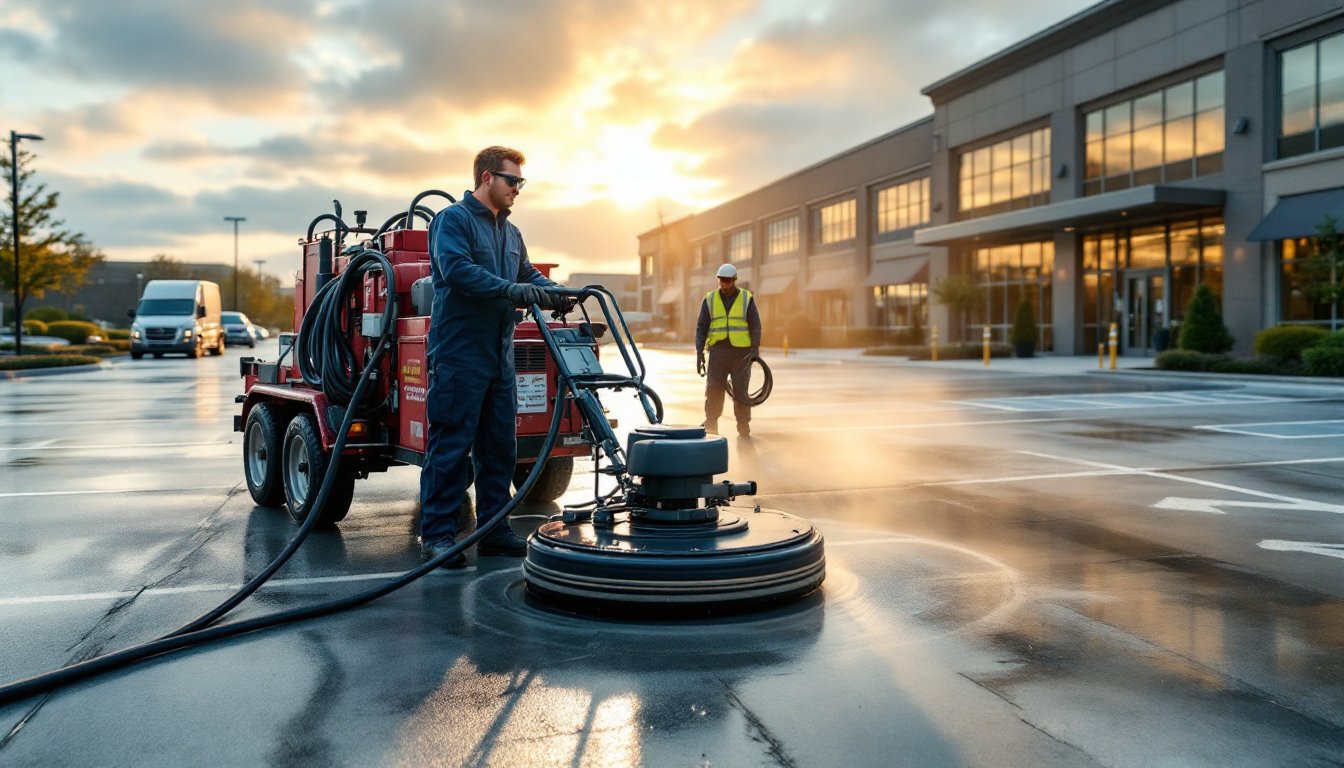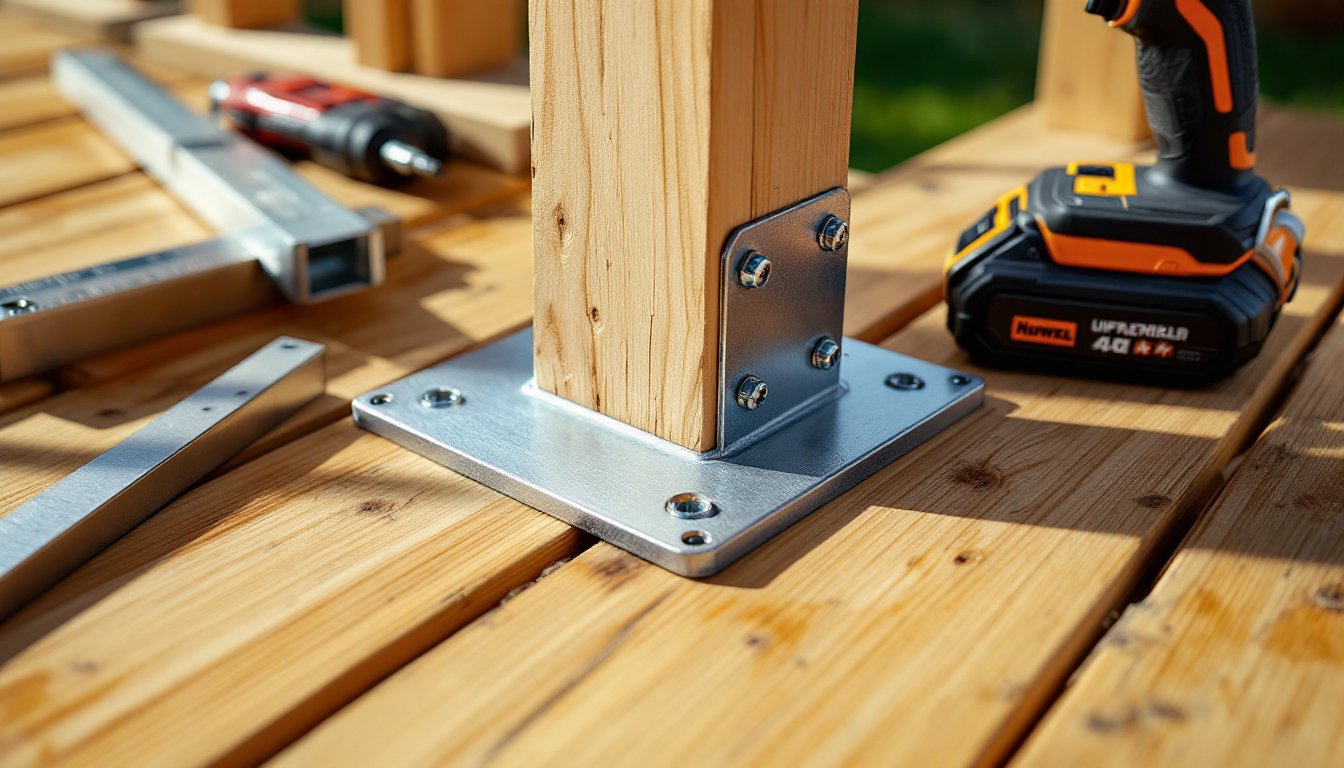
Every year, countless machines and systems get a little older, a little crankier, and a lot more prone to breakdowns. Just like that stubborn car that refuses to start on a cold morning, equipment needs a little TLC to keep running smoothly. Enter annual preventive maintenance—the superhero of the mechanical world. It swoops in to save the day, ensuring everything operates at peak performance while avoiding costly repairs down the line.
Think of it as a yearly spa day for your machinery. With a little inspection, cleaning, and adjustment, you can extend the life of your assets and sidestep those dreaded emergency calls. After all, nobody wants to be the one stuck explaining to the boss why the printer decided to go on strike right before deadline. Embracing preventive maintenance isn’t just smart; it’s downright essential for keeping everything humming along happily.
Understanding Annual Preventive Maintenance
Annual preventive maintenance focuses on regularly scheduled check-ups for machinery and systems to maintain peak performance. It emphasizes proactive measures rather than reactive solutions, ensuring optimal function and reducing the risk of unexpected failures.
Definition and Importance
Annual preventive maintenance refers to a structured, scheduled process aimed at maintaining equipment efficiency. This maintenance includes inspections, cleaning, adjustments, and necessary repairs. Prioritizing this practice plays a crucial role in extending the lifespan of machinery. Regular maintenance can prevent minor issues from escalating into major problems, ultimately saving significant costs in repairs and downtime. Organizations often view it as an investment in reliability and safety, ensuring that operations run smoothly without interruptions.
Key Benefits of Implementation
Implementing annual preventive maintenance yields numerous advantages. First, it enhances machinery reliability by addressing potential issues before they arise. Second, productivity increases as equipment operates more efficiently. Lower operational costs emerge from reduced breakdowns and emergency repairs. Organizations often experience improved safety when machinery is well-maintained, minimizing the risk of accidents. Additionally, maintaining equipment can uphold warranty terms, ensuring full manufacturer support when needed.
Planning Annual Preventive Maintenance

Annual preventive maintenance requires careful planning to enhance operational efficiency. Effective strategies focus on structured scheduling and identifying essential equipment.
Developing a Maintenance Schedule
Creating a maintenance schedule involves assessing equipment needs while accounting for operational demands. The schedule should outline specific tasks such as inspections, cleaning, and adjustments that promote longevity. Frequency depends on equipment type; some machinery benefits from monthly checks while others may only require annual reviews. Assigning responsibilities ensures accountability and timely task completion. Various software solutions can assist in maintaining and automating schedules, providing reminders for upcoming maintenance activities. Regularly updating the schedule keeps it relevant to changing operational needs.
Identifying Essential Equipment
Identifying essential equipment forms the backbone of a successful preventive maintenance program. Key machinery requires prioritization based on importance to operations and potential impact of failure. Conducting a thorough inventory helps pinpoint crucial assets. Not all equipment may need the same level of attention; critical systems warrant more frequent maintenance compared to non-essential ones. Engaging with team members can uncover insights about equipment performance and maintenance history. This collaborative approach deepens understanding of equipment dependencies and informs effective scheduling.
Conducting Annual Preventive Maintenance
Conducting annual preventive maintenance involves systematic actions that maintain equipment efficiency. This process ensures optimal performance by staying ahead of potential issues.
Step-by-Step Process
Establish a maintenance schedule tailored to specific equipment needs. Assess operational demands while considering equipment criticality. Assign tasks to responsible team members, promoting accountability. Document maintenance activities to track progress and identify trends. Review maintenance outcomes periodically to refine future strategies. Follow up on completed tasks to ensure adherence to standards.
Common Maintenance Tasks
Performing inspections regularly helps identify wear and tear. Cleaning machinery prevents the buildup of debris that can hinder performance. Adjustments, such as calibration and alignment, enhance operational efficiency. Lubricating moving parts reduces friction and extends equipment life. Replacing consumable components like filters maintains consistent functionality. Testing safety features ensures compliance with regulations and protects personnel.
Challenges in Annual Preventive Maintenance
Annual preventive maintenance faces several challenges that can impact its effectiveness. Understanding these challenges is crucial for successful implementation.
Resource Allocation
Resource allocation poses a significant challenge for annual preventive maintenance. Many organizations struggle to dedicate sufficient funds for maintenance tasks. Budget constraints often limit the amount of time and personnel available for these activities. Equipment may require specialized tools or materials, which can lead to further expenses. Prioritizing which machinery needs more attention becomes essential to maximize resources. Efficient resource use enhances maintenance outcomes while minimizing operational disruptions.
Employee Training and Engagement
Employee training and engagement directly influence the success of annual preventive maintenance programs. Many team members lack adequate training on maintenance procedures and best practices. Engaging employees in continuous learning helps bridge this knowledge gap. Providing comprehensive training ensures team members understand their roles and responsibilities during maintenance activities. When staff members feel involved in the process, they show a greater commitment to maintenance schedules. Regular feedback and open communication can boost morale and encourage proactive behavior toward equipment maintenance.
Annual preventive maintenance is a crucial investment that pays dividends in operational efficiency and equipment longevity. By proactively addressing potential issues and engaging team members in the process, organizations can significantly reduce costly breakdowns and enhance productivity.
Establishing a tailored maintenance schedule not only preserves equipment but also fosters a culture of accountability and safety. With careful planning and employee involvement, companies can navigate challenges and optimize their maintenance strategies. Ultimately, embracing annual preventive maintenance ensures smooth operations and a reliable work environment for all.