When it comes to home maintenance, drainage systems often get the short end of the stick. Most folks think out of sight means out of mind, but neglecting those pipes can lead to a watery disaster that even Poseidon would envy. A well-maintained drainage system is the unsung hero of any property, quietly working behind the scenes to keep things flowing smoothly.
Table of Contents
ToggleImportance Of Drainage Maintenance
Maintaining drainage systems plays a critical role in property upkeep. An overlooked drainage system can lead to preventable issues that impact a home’s integrity.
Preventing Property Damage
Property damage often results from neglected drainage systems. Structural issues like foundation cracks and mold growth arise when water accumulates around a property. Standing water not only degrades landscaping but also invites pests that can cause further damage. Regular inspections, along with timely cleaning and maintenance, significantly reduce the risk of extensive repairs that come with property damage. Homeowners can save money and effort by prioritizing drainage system care to enhance overall home resilience.
Enhancing Water Flow
Enhanced water flow prevents issues before they arise. Proper drainage systems allow rainwater and runoff to flow away from structures, reducing flooding risks. When systems function effectively, they direct water to designated areas like gardens or storm drains. Regular maintenance, including clearing debris and checking for clogs, ensures uninterrupted water flow throughout the year. Consistantly maintaining drainage improves not only the property’s functionality but also its value, making it an essential component of home management.
Key Components Of A Drainage Maintenance Checklist
A comprehensive drainage maintenance checklist ensures optimal system performance. Several key components warrant attention.
Regular Inspections
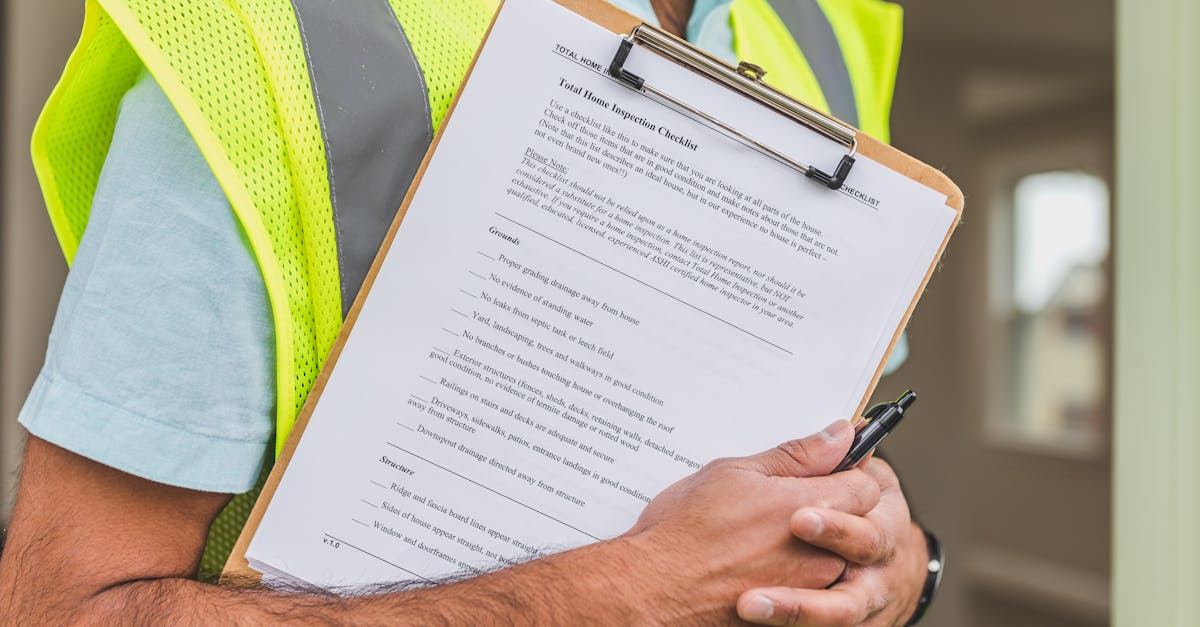
Regular inspections play a crucial role in maintaining drainage systems. Schedule these checks biannually, ideally in spring and fall. Inspect all channels, pipes, and grates to find any damage or blockages. Look for signs of standing water, which indicates poor drainage performance. Assess the condition of surrounding landscapes, as overgrowth can impede water flow. Document findings for future reference to track any recurring issues. Addressing problems promptly can prevent costly repairs and extend the life of the drainage system.
Clearing Debris
Clearing debris from drainage areas maximizes the system’s efficiency. Start by removing leaves, dirt, and other obstructions from gutters and grates. Use a rake or a blower to clear surfaces effectively. Clean downspouts to ensure they remain unblocked, directing water properly. Perform this task at least twice a year to maintain optimal flow. Pay special attention after heavy storms or windy seasons, as debris accumulation increases during these times. Keeping surfaces clear reduces the risk of backups and ensures effective water diversion away from structures.
Seasonal Maintenance Tips
Seasonal maintenance tasks are essential for keeping drainage systems functioning properly. Attention to these tasks ensures protection against water damage and other risks.
Spring Maintenance Tasks
Inspecting drainage systems becomes critical in spring. Clear accumulated debris from gutters, grates, and downspouts. Performing this cleaning prevents blockages as snow melts and rainfall increases. Check for any signs of damage or leaks as well. Conducting these inspections helps identify potential issues early. If any repairs are necessary, addressing them promptly can save costs. Documenting findings aids in tracking system performance over time.
Fall Maintenance Tasks
Fall maintenance focuses on preparing drainage systems for winter. Cleaning leaves and debris from gutters and drains remains vital. Ensuring proper flow helps prevent ice blockage during colder months. Homeowners must check for any structural damages or cracks as well. Addressing issues before winter arrives can minimize risks. Tightening loose fittings and sealing any gaps enhances system integrity. Regular evaluation ensures effective operation when heavy rains occur in early winter.
Tools And Equipment Needed
Effective drainage maintenance requires specific tools and equipment. Having the right items on hand streamlines the cleaning and inspection process.
Essential Tools
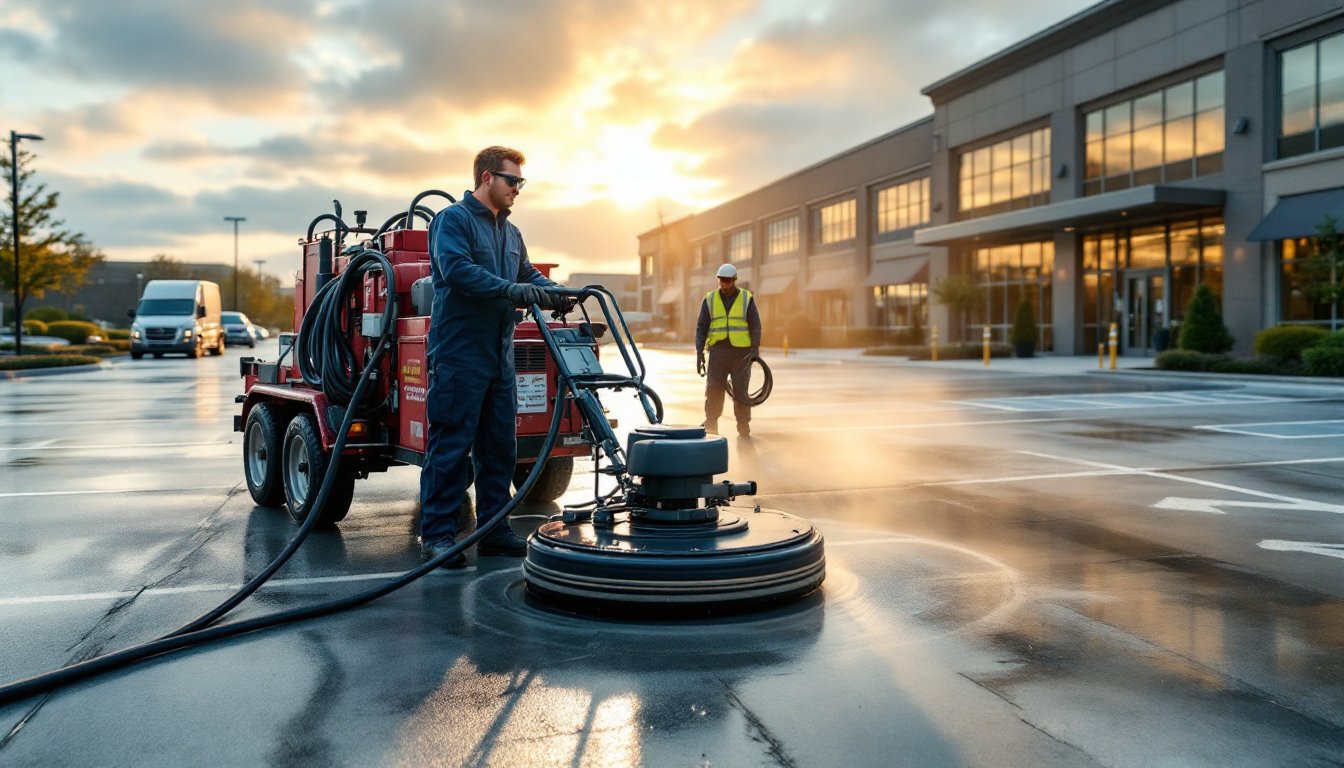
Essential tools for drainage maintenance include a trowel, a plumber’s snake, and a garden hose. A trowel assists in removing debris from drainage areas. A plumber’s snake helps clear stubborn clogs that block flow. A garden hose allows for flushing out smaller debris and testing water flow. A bucket aids in collecting debris during cleaning sessions. Waterproof gloves protect hands from dirt and grime while working. Rotary equipment enhances efficiency when addressing larger drain clogs. These tools ensure effective maintenance of the drainage system.
Safety Gear
Safety gear plays an important role in drainage maintenance. A pair of sturdy gloves protects hands from sharp objects and contaminants. Safety goggles guard the eyes against debris and potential splashes. Non-slip boots provide traction in wet or muddy conditions. Depending on the task, a hard hat may be necessary to prevent head injuries from falling objects. Using a respiratory mask prevents inhalation of mold or dust during the cleaning process. Enforcing safety measures ensures workers remain protected while maintaining the drainage system efficiently.
Maintaining a drainage system is vital for protecting a home from potential water damage and structural issues. By following a thorough checklist and performing regular inspections homeowners can safeguard their properties against costly repairs. Seasonal tasks like clearing debris and checking for damage ensure that drainage systems function effectively year-round.
Equipping oneself with the right tools and safety gear not only makes the maintenance process smoother but also enhances safety during these tasks. Prioritizing drainage upkeep leads to improved property value and peace of mind, making it an essential aspect of responsible home management.